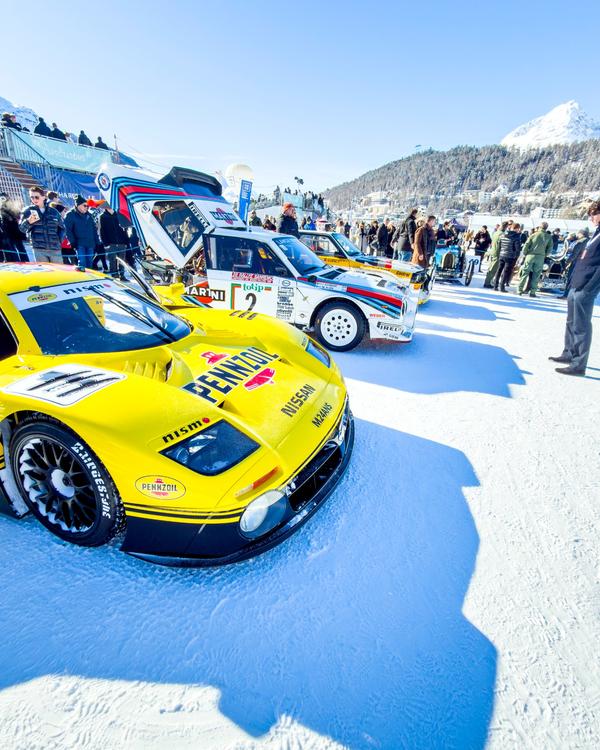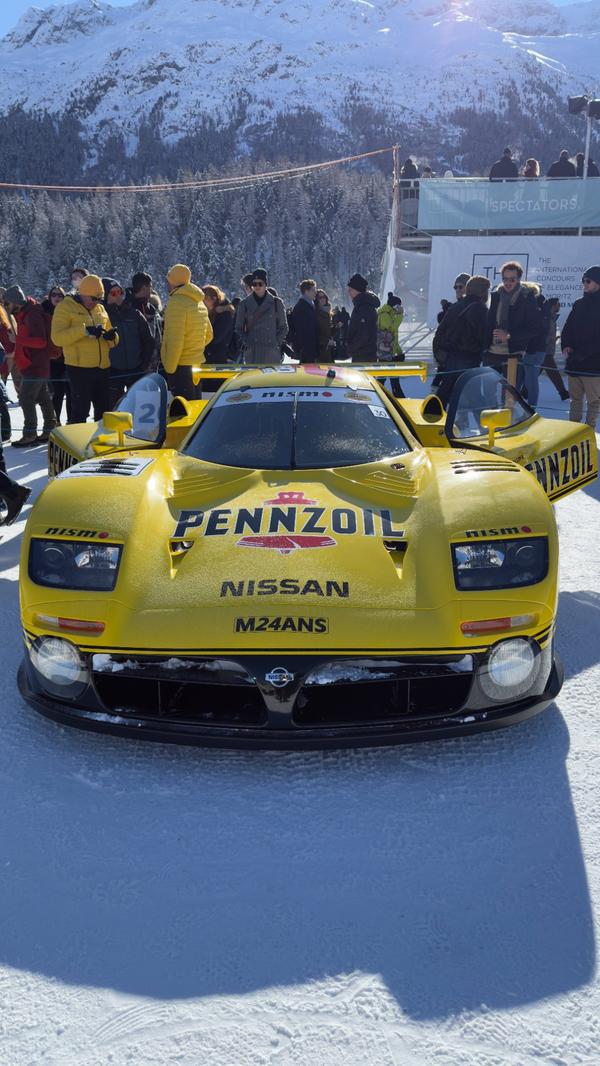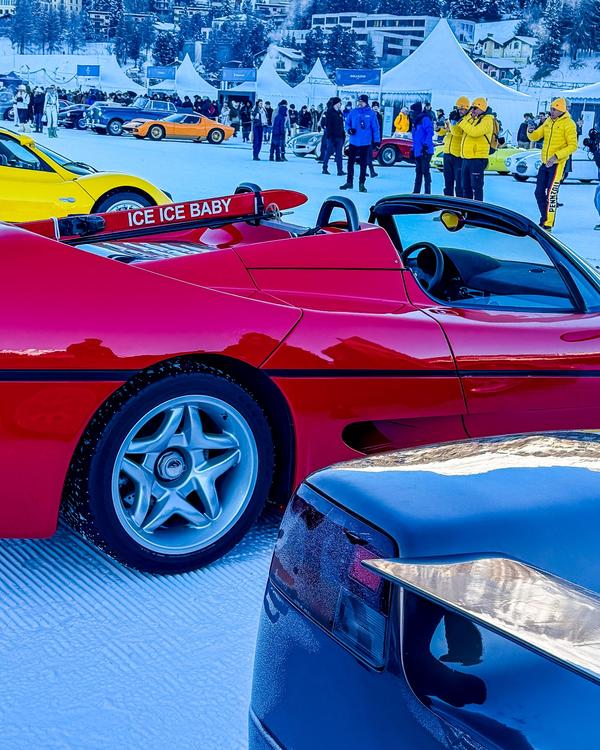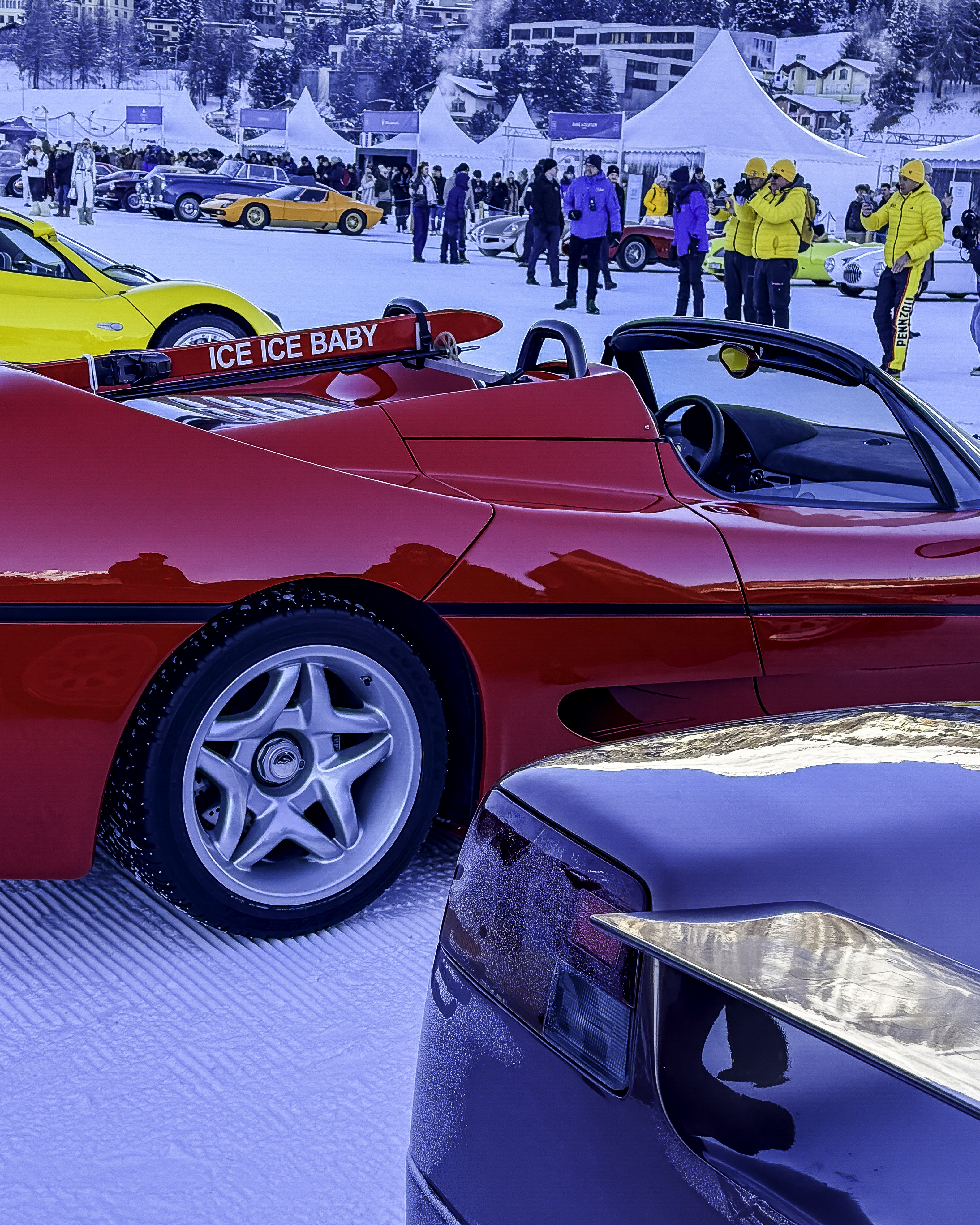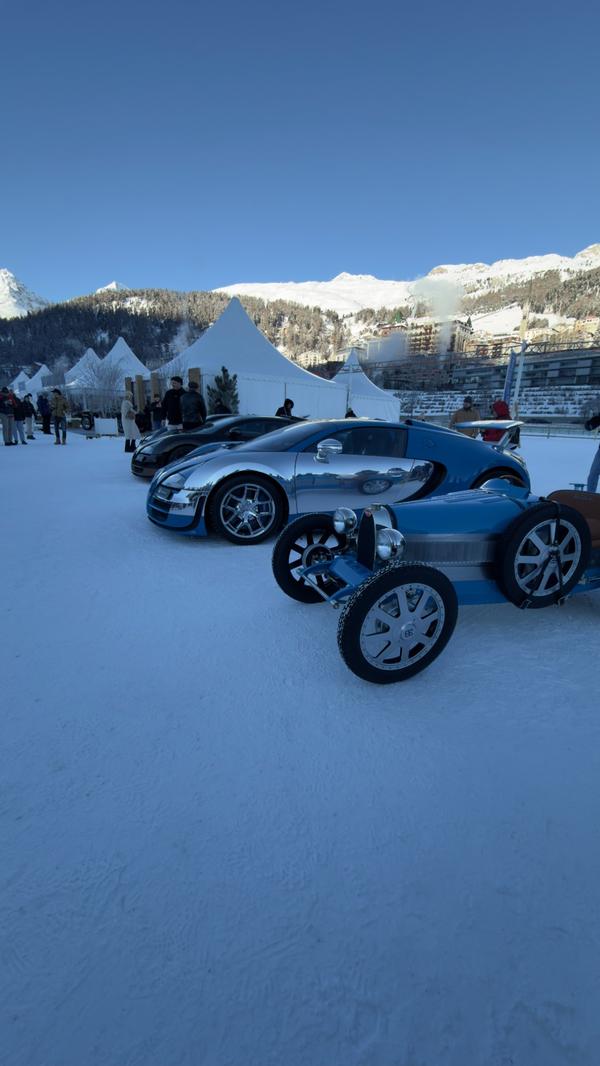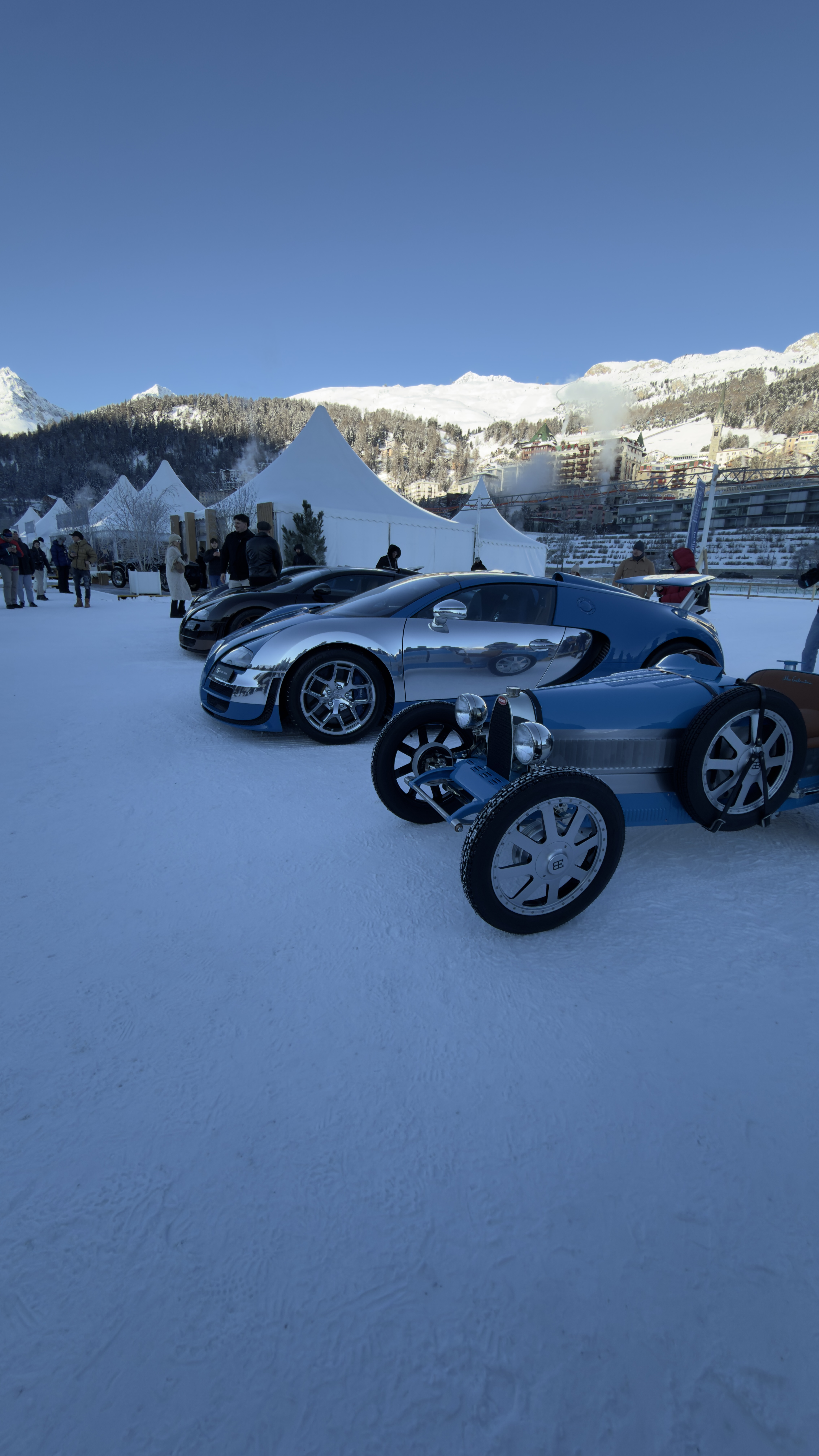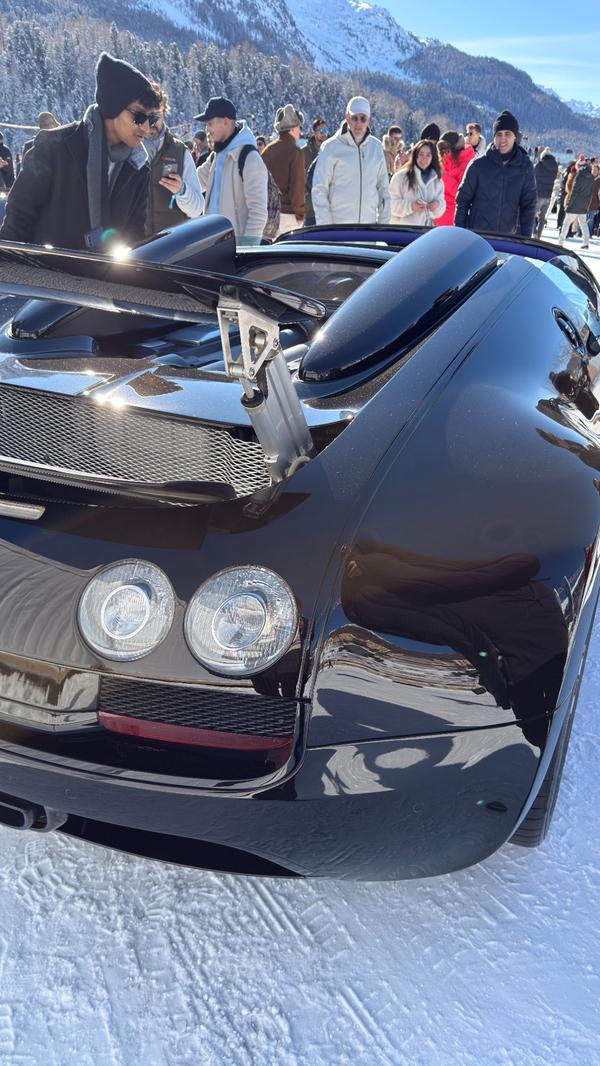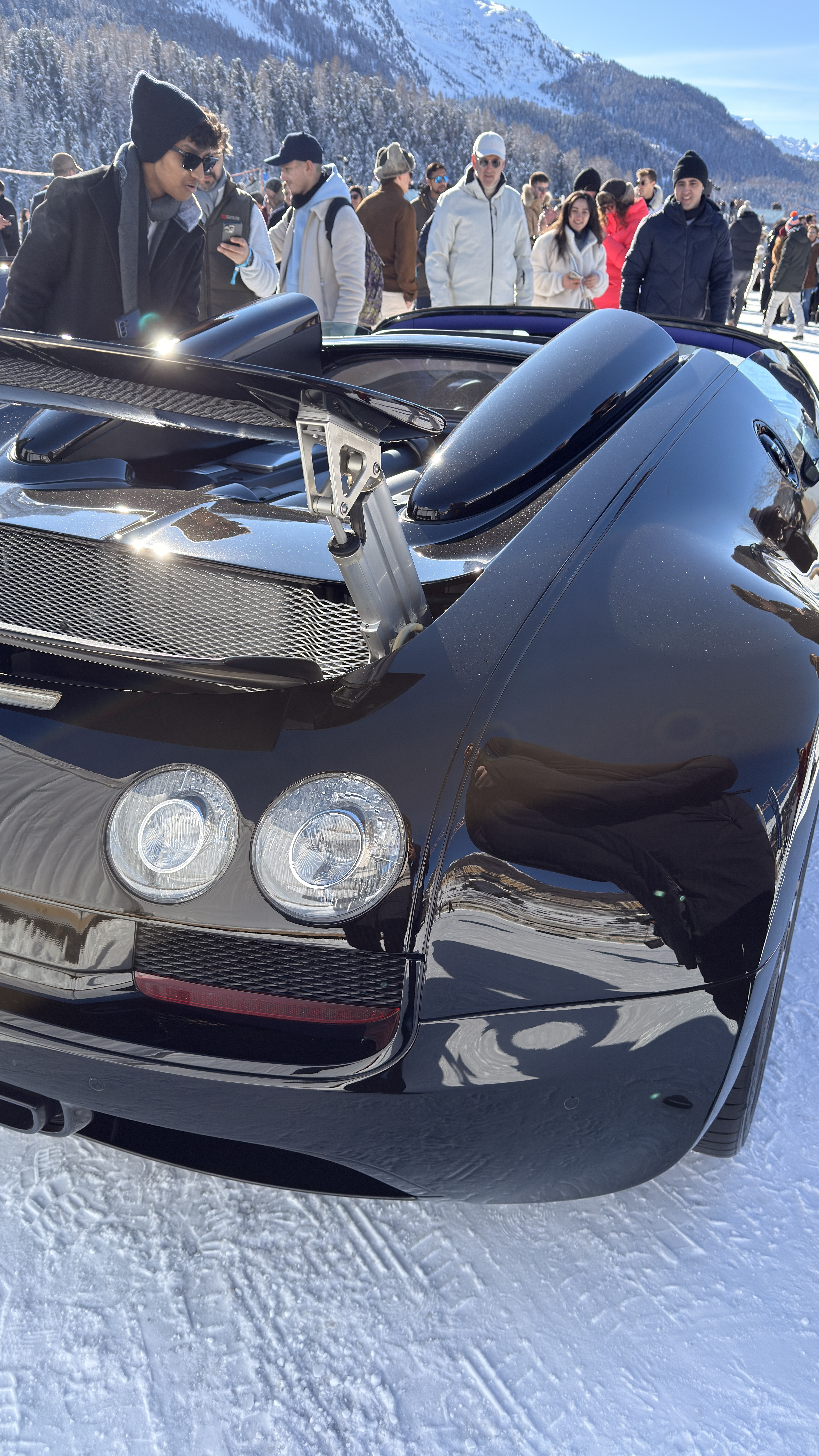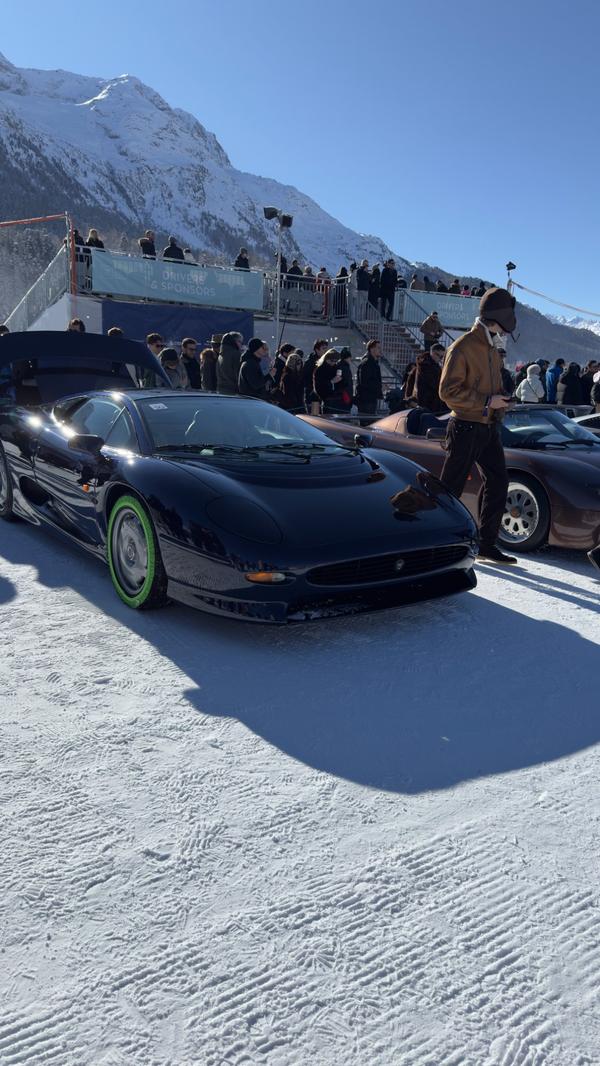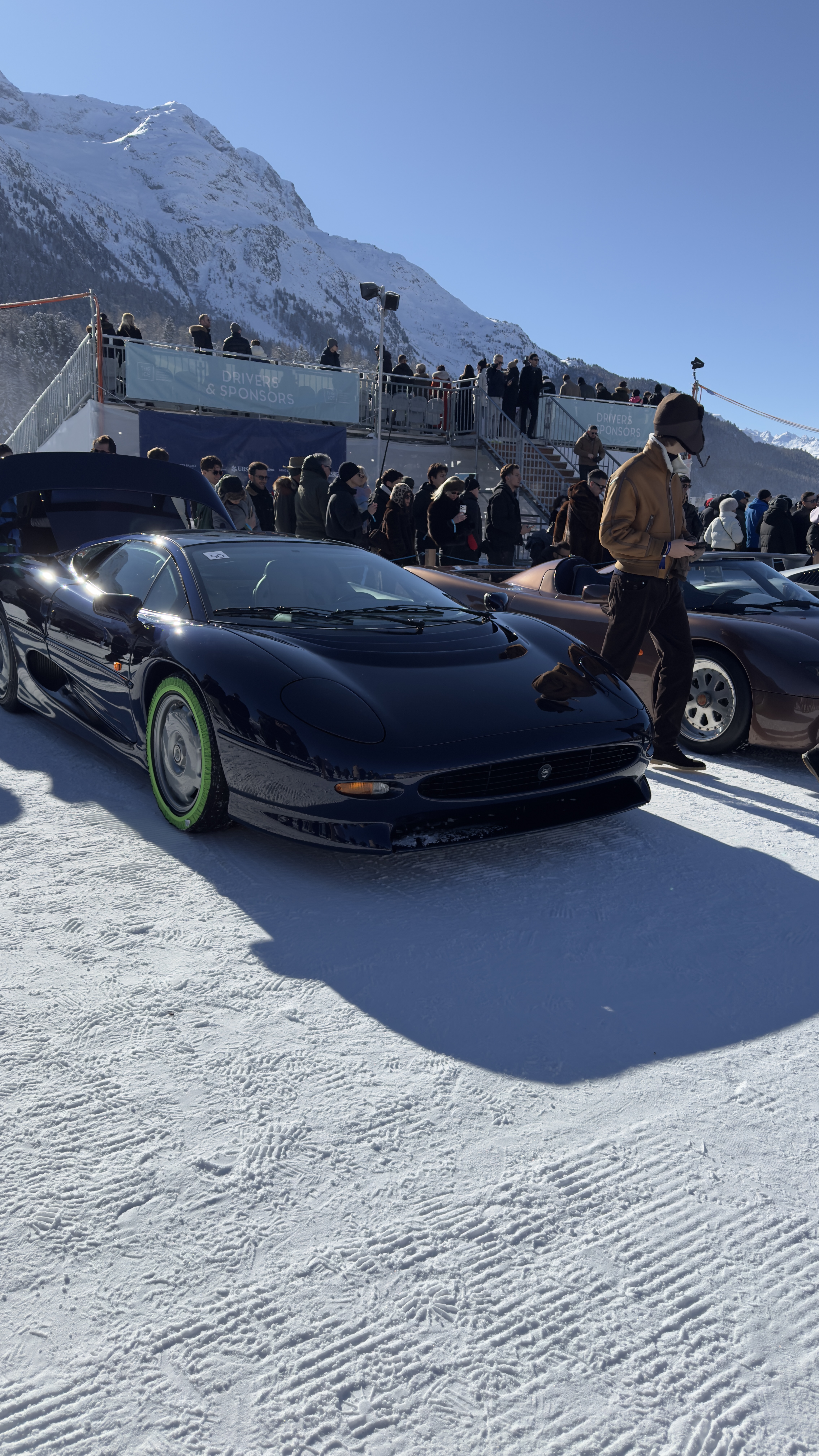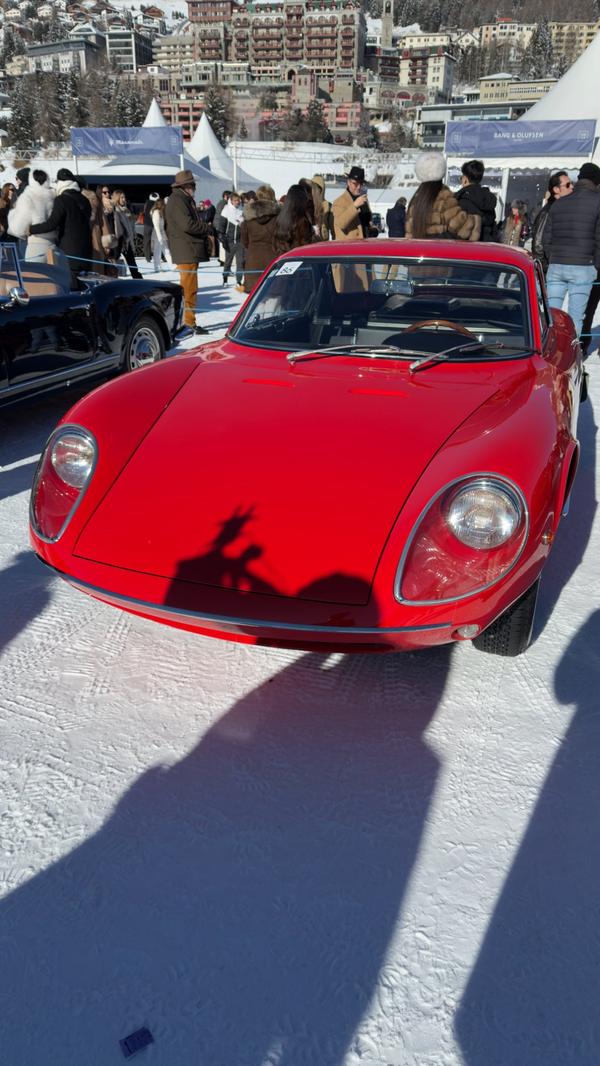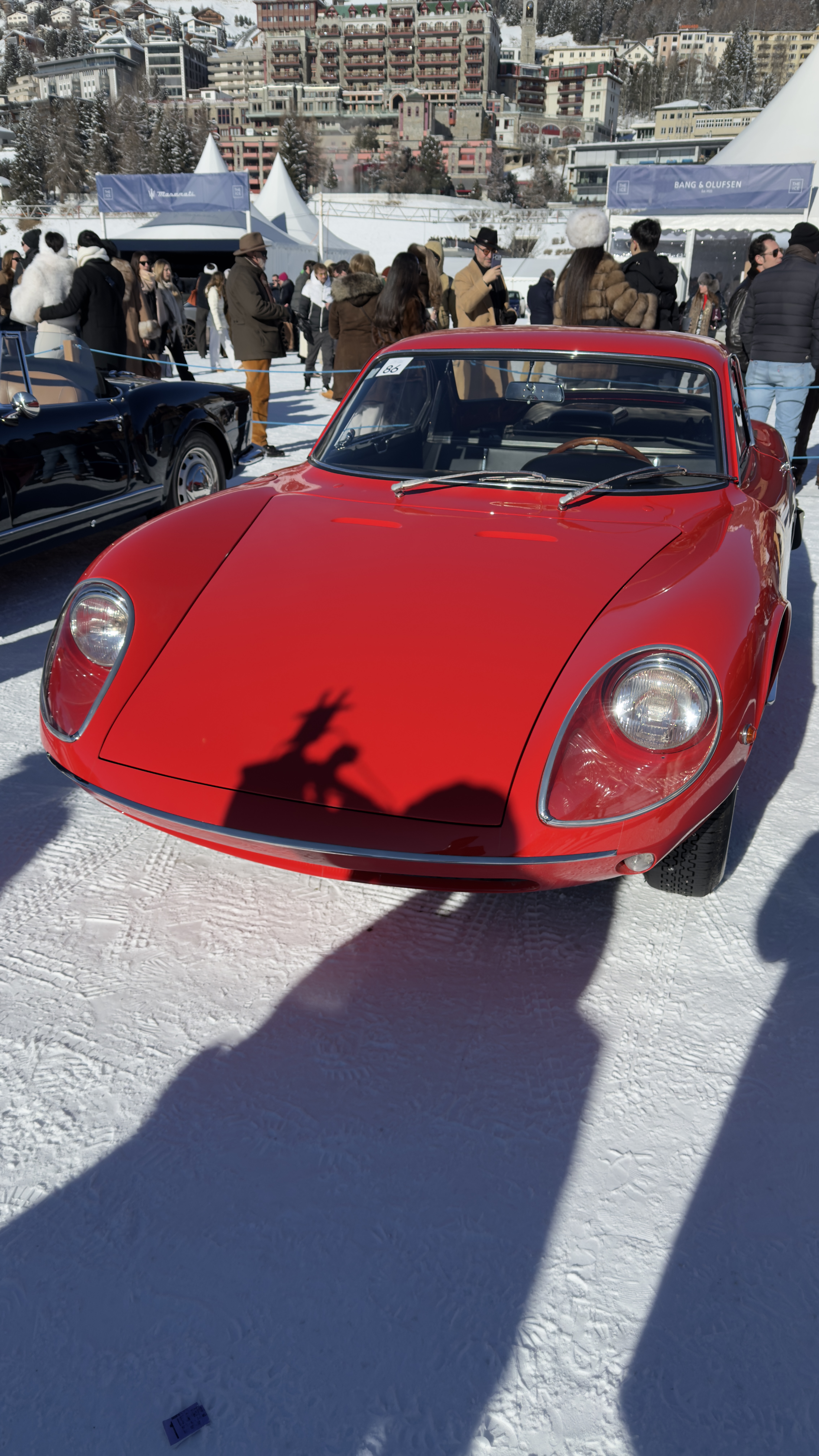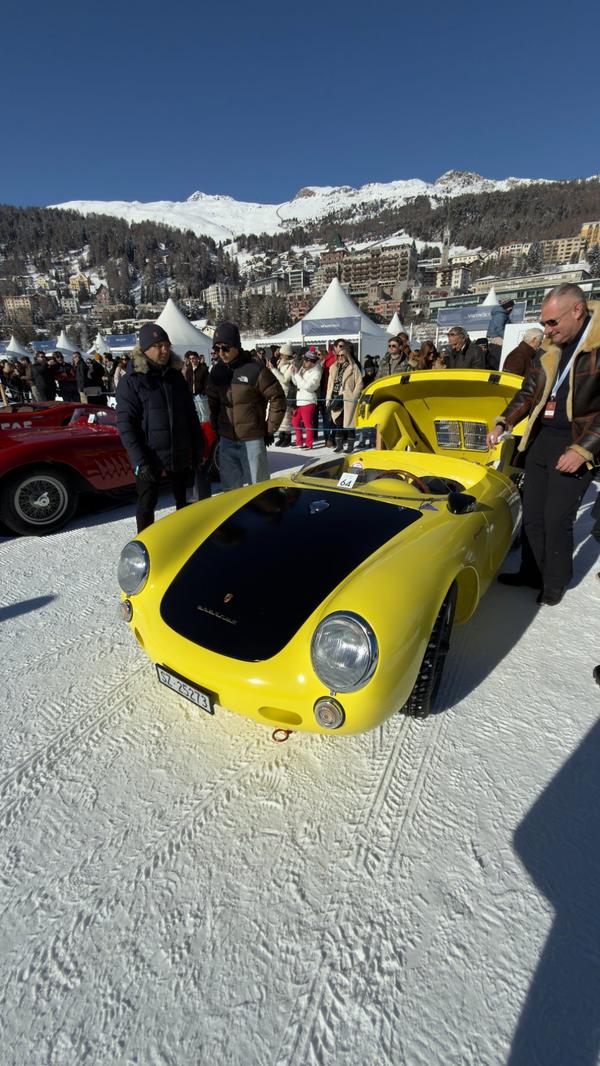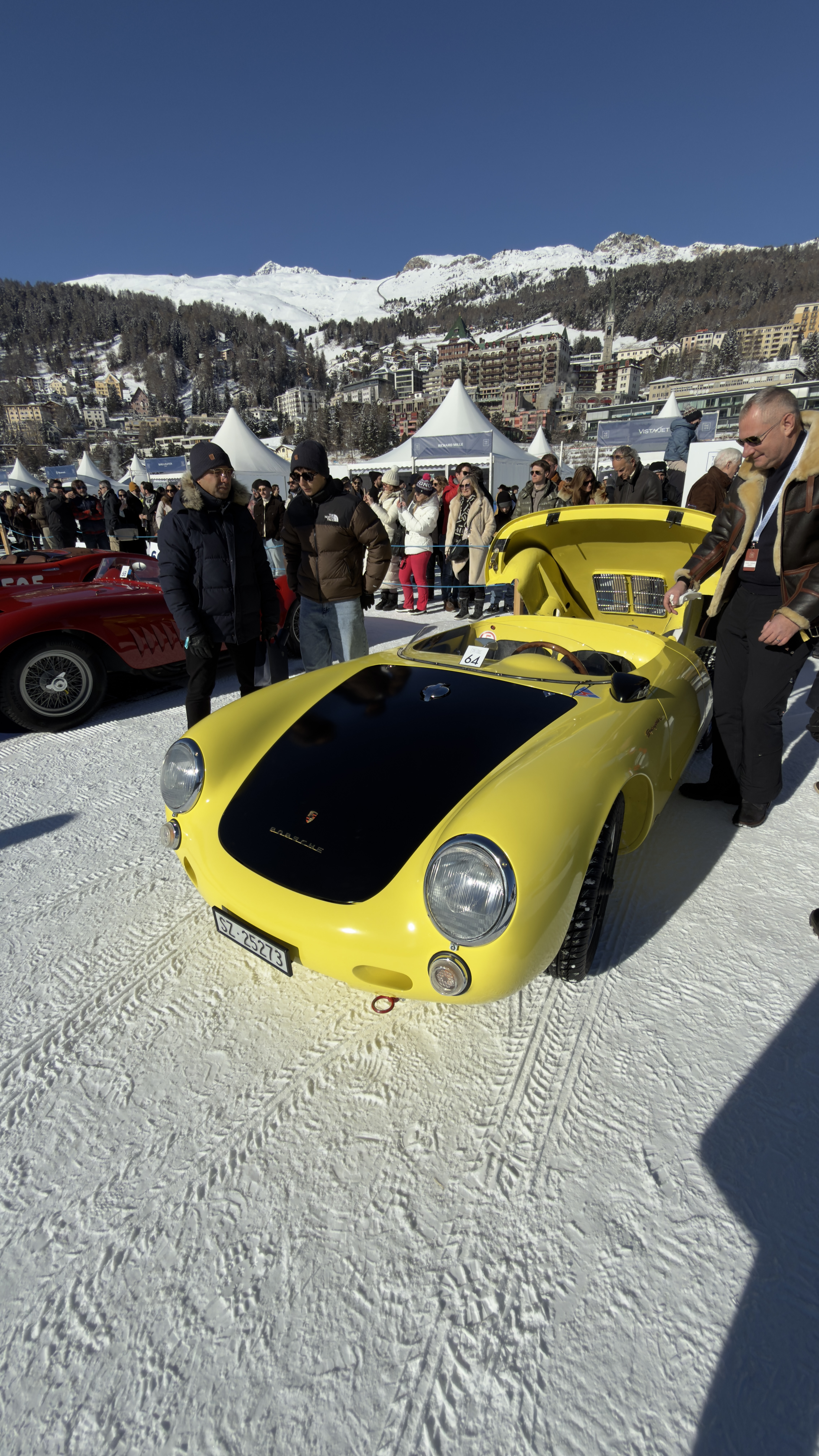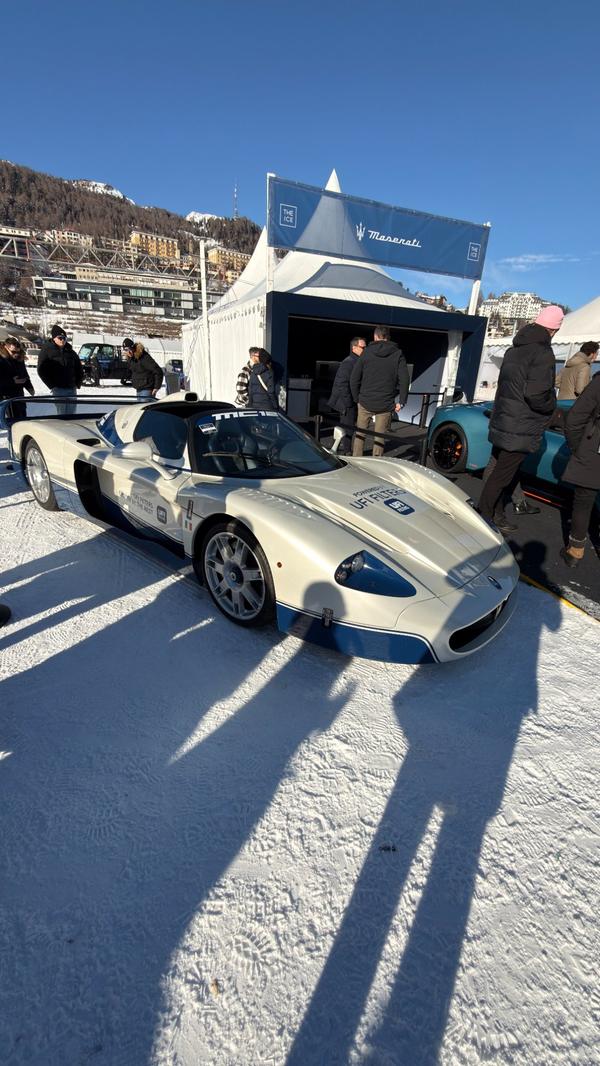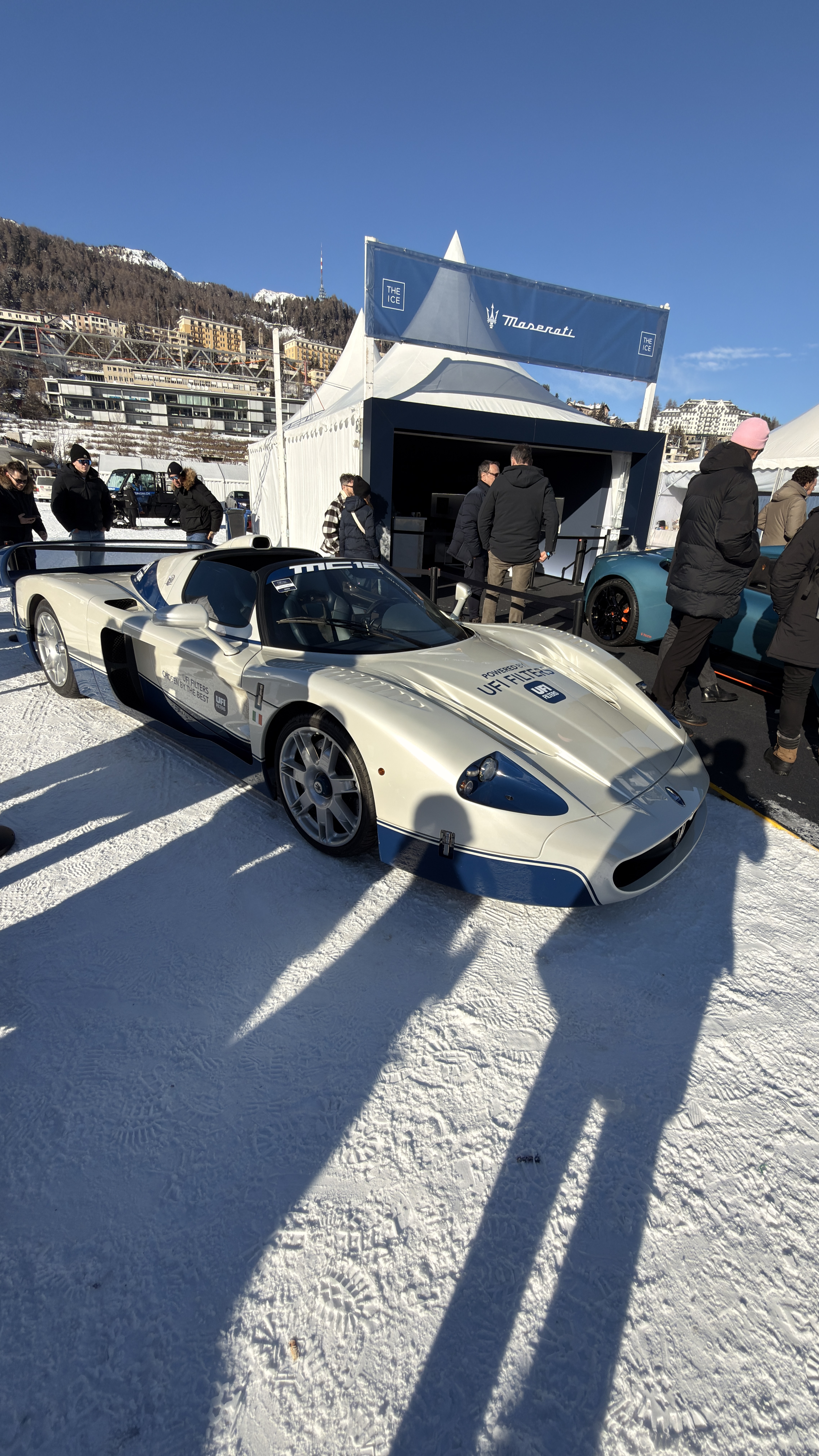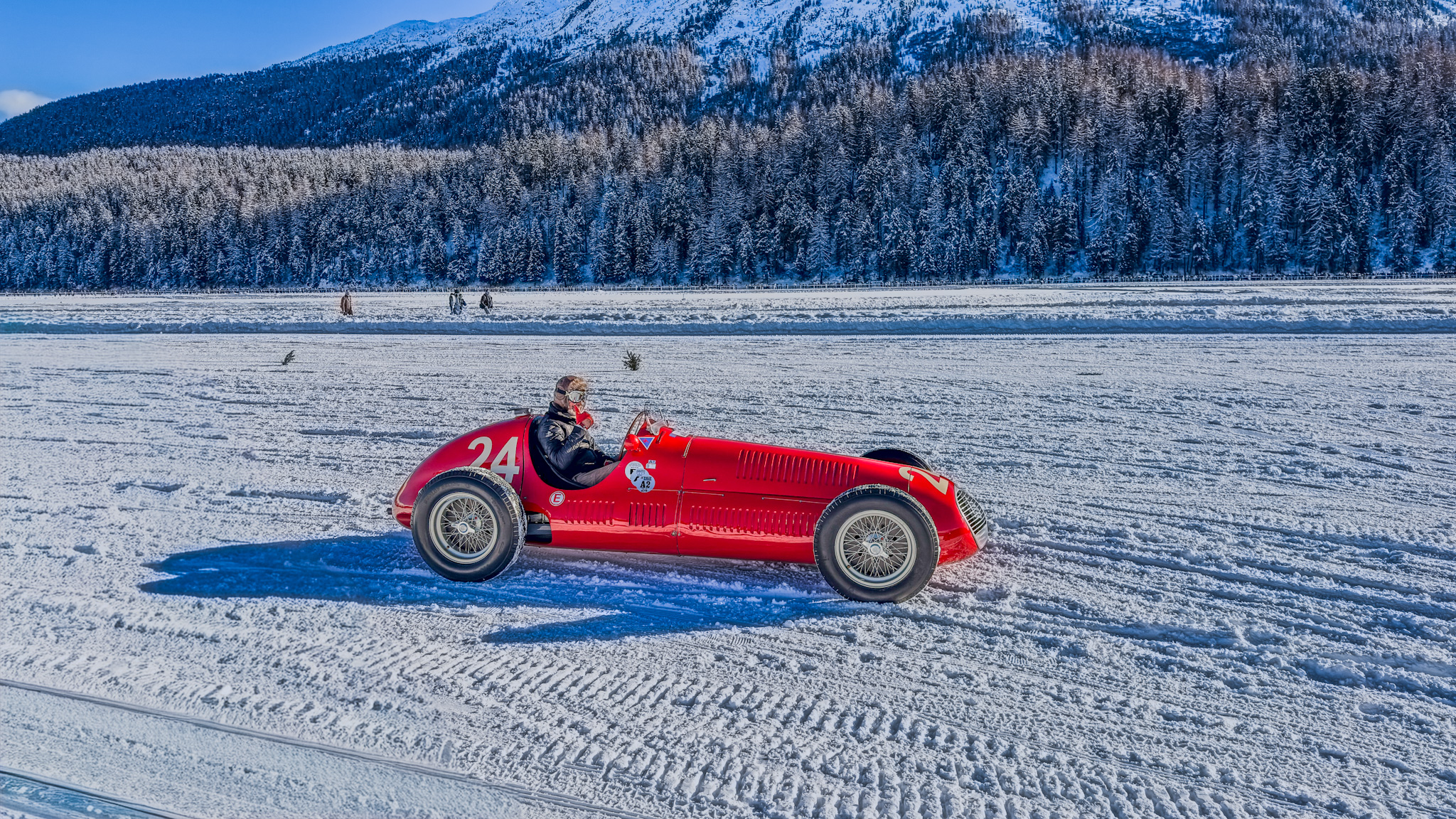
The lake doesn't look thick enough. You stand at the edge of it, the mountains pressing in on three sides, and the ice goes out flat and white and marked by yesterday's tyre tracks. Then someone fires up a Nissan R390 GT1 fifty metres away and the sound bounces off the rock face above the hotels and the scale of the place stops mattering entirely.
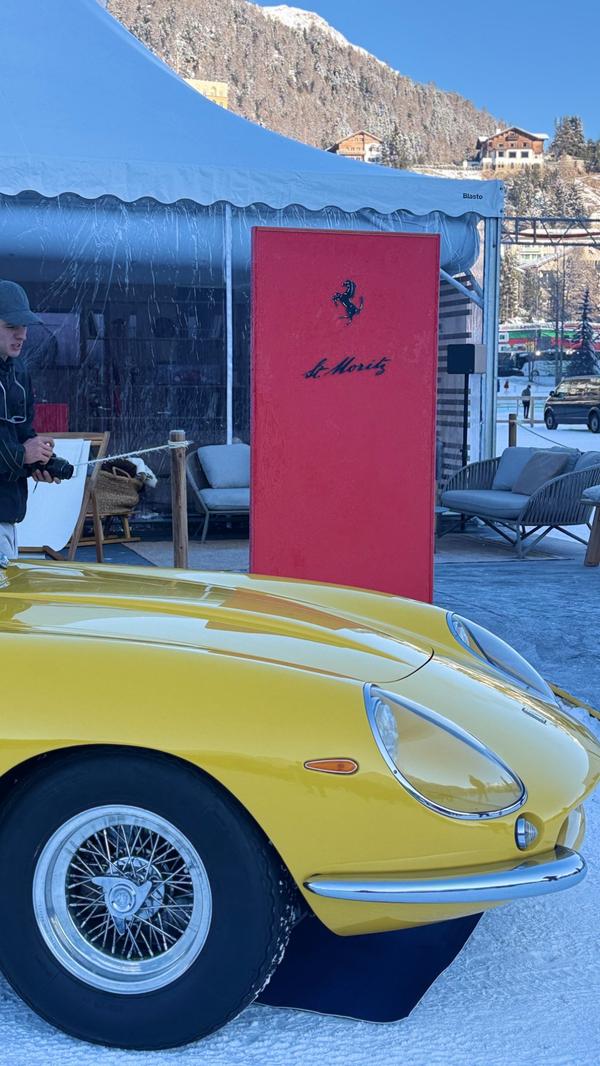
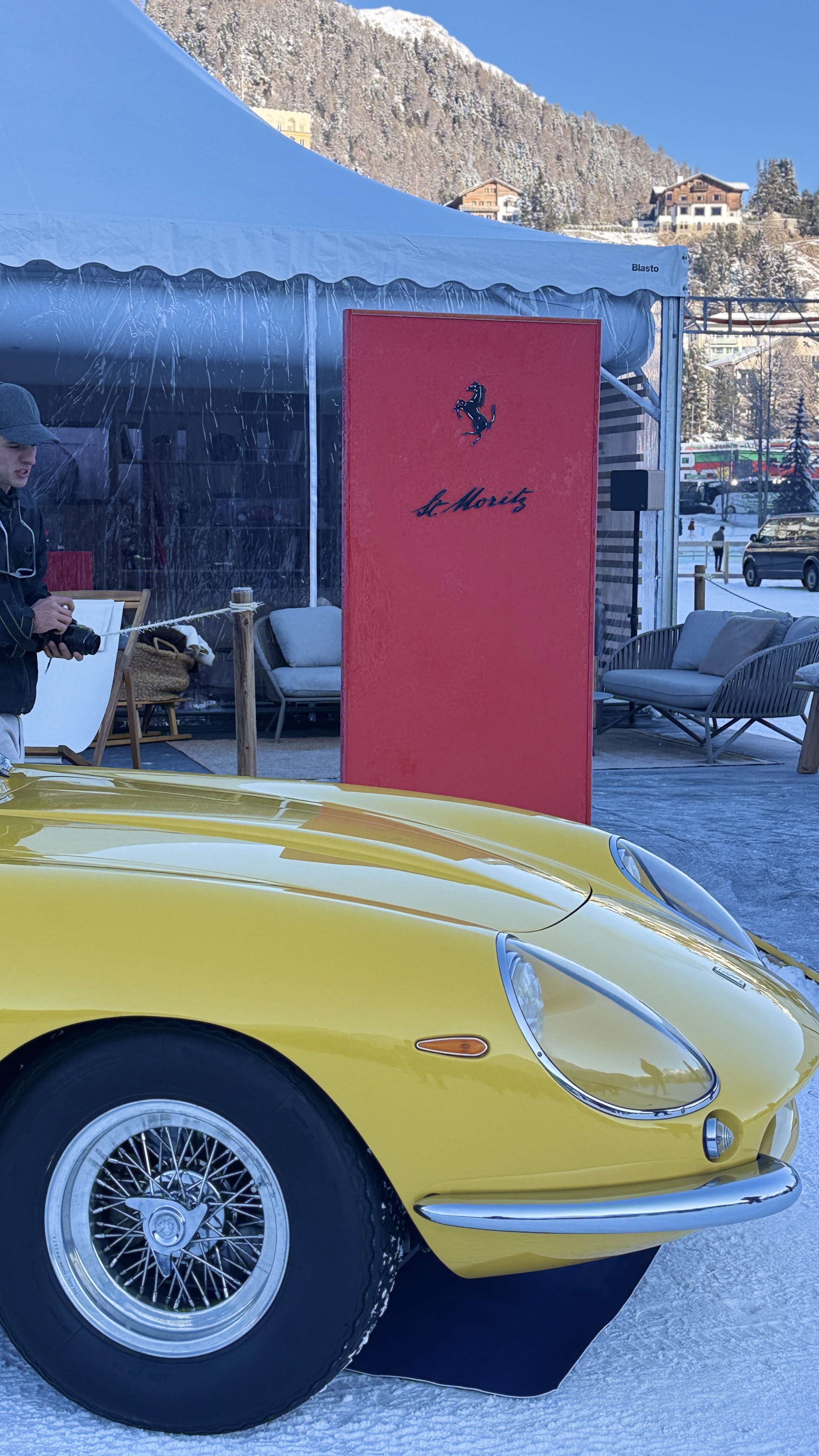
The ICE has been running on Lake St. Moritz since 2019 and it has settled into itself the way good events do — it knows what it is, it doesn't try to be anything else. Two days, fifty cars, 1,800 metres above sea level. Static judging on Friday. Free laps on Saturday. The format is simple. The execution is anything but.
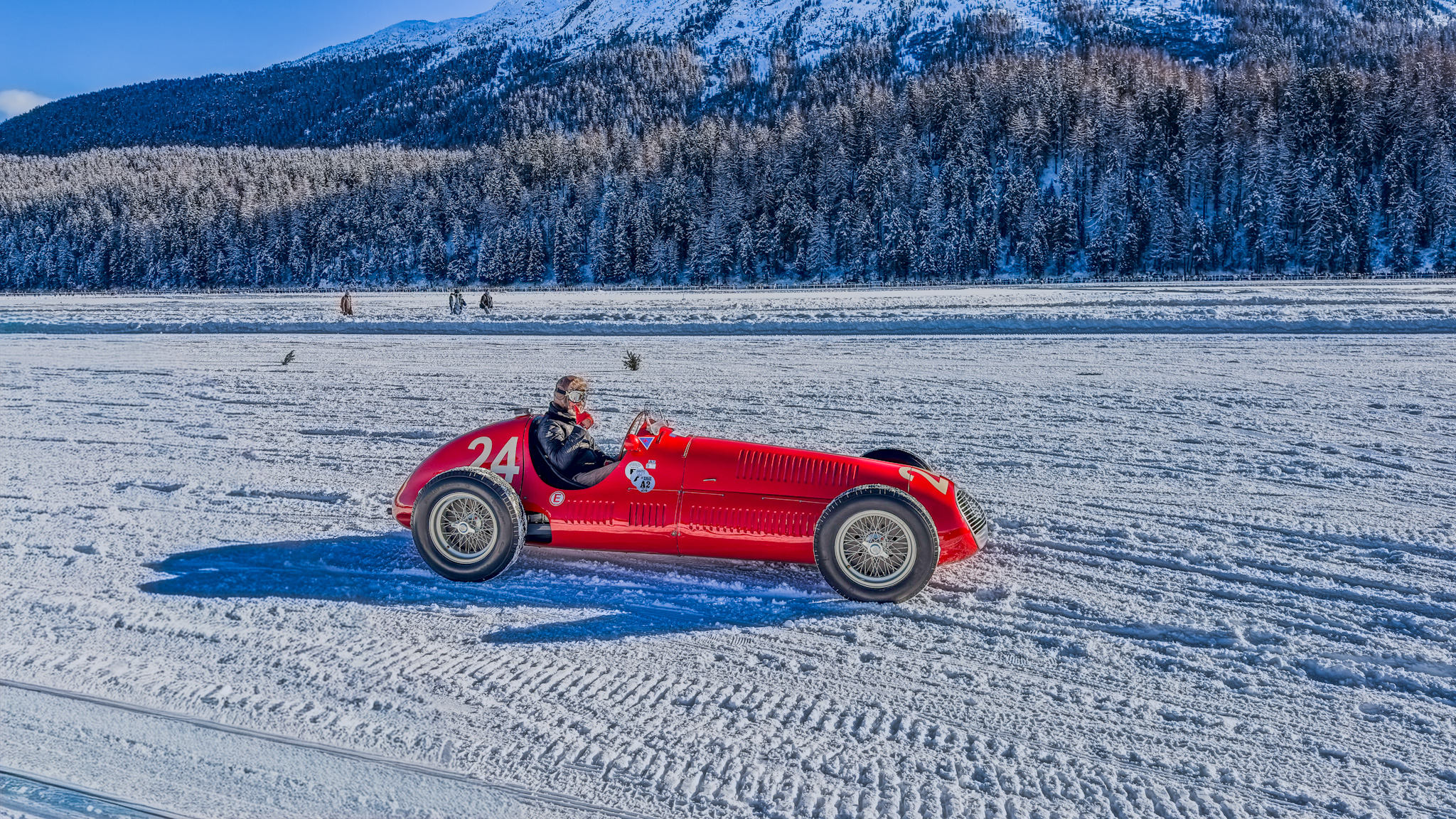
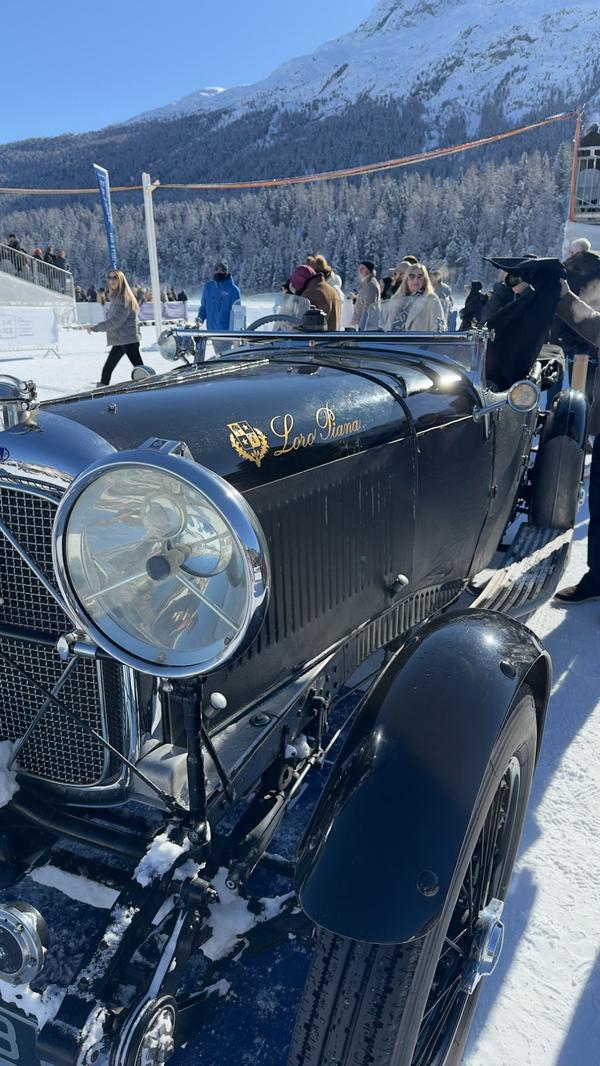
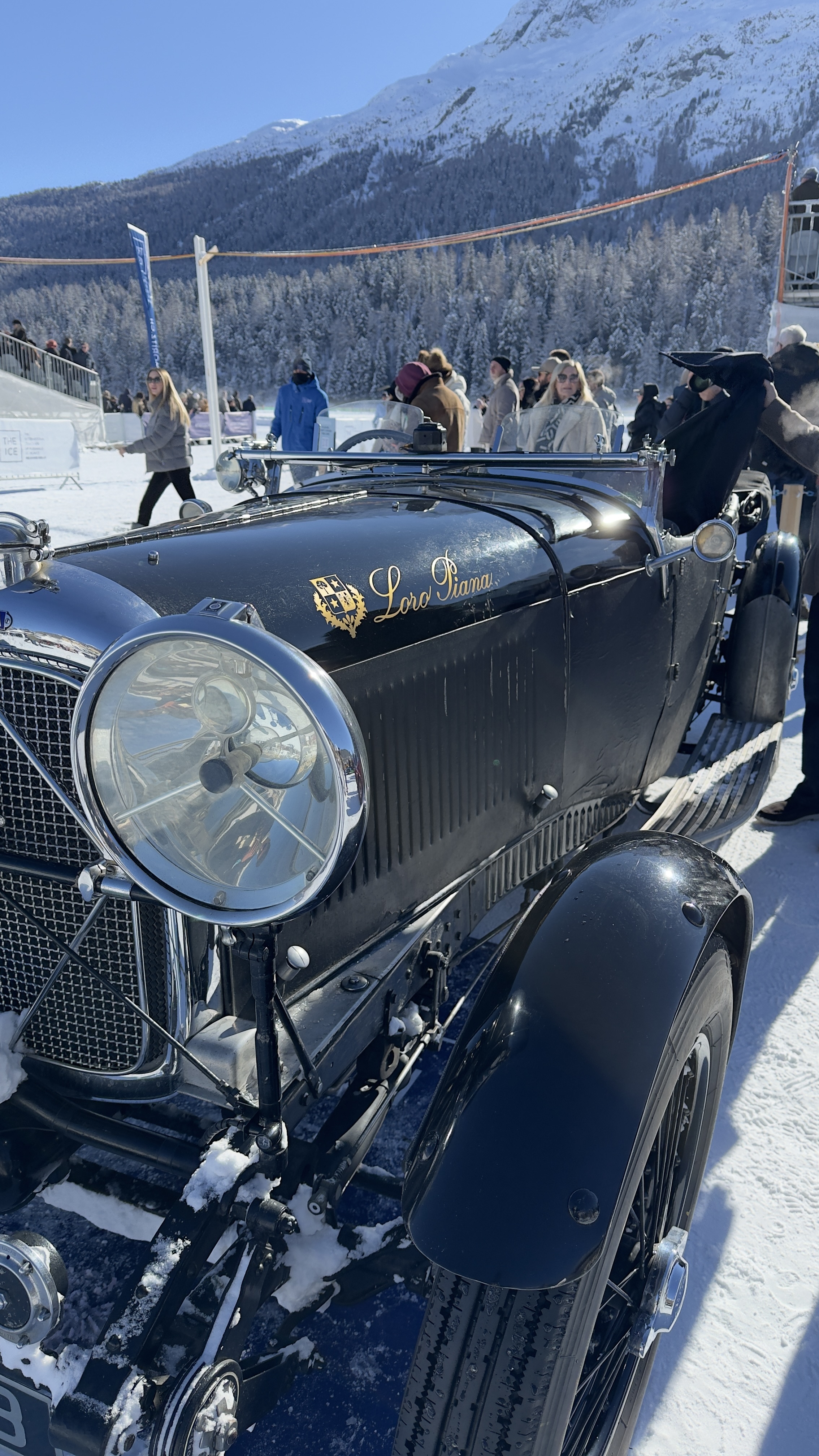
This edition's theme was motorsport, which at The ICE is less a curatorial decision than a confirmation. The range ran from a 1924 Bugatti Type 13 — the oldest car on the lake — to a Rimac Nevera R making its public debut in the paddock behind the grandstand. In between, sixty-odd years of endurance racing, rally, and grand prix history. All of it outside. All of it in January.
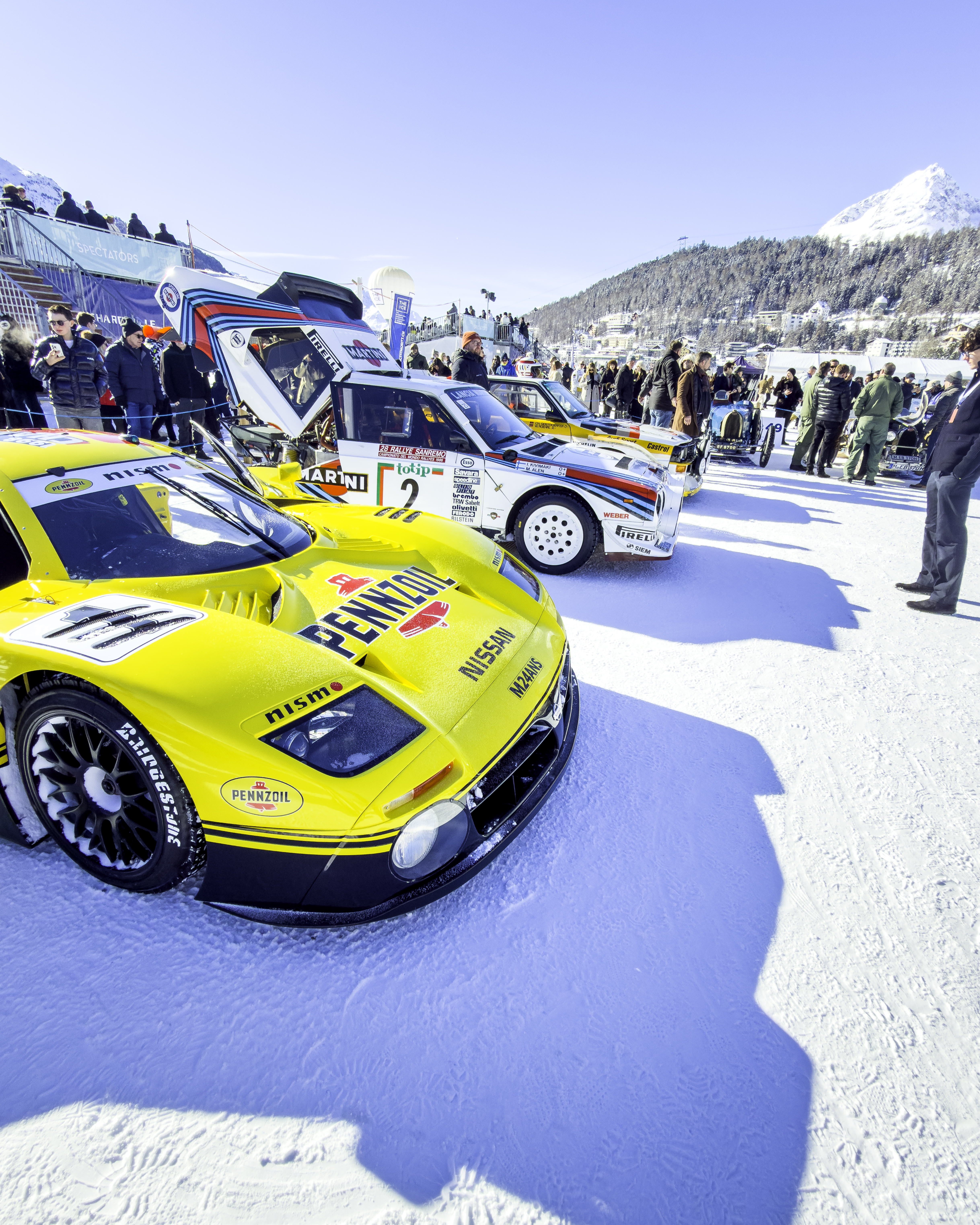
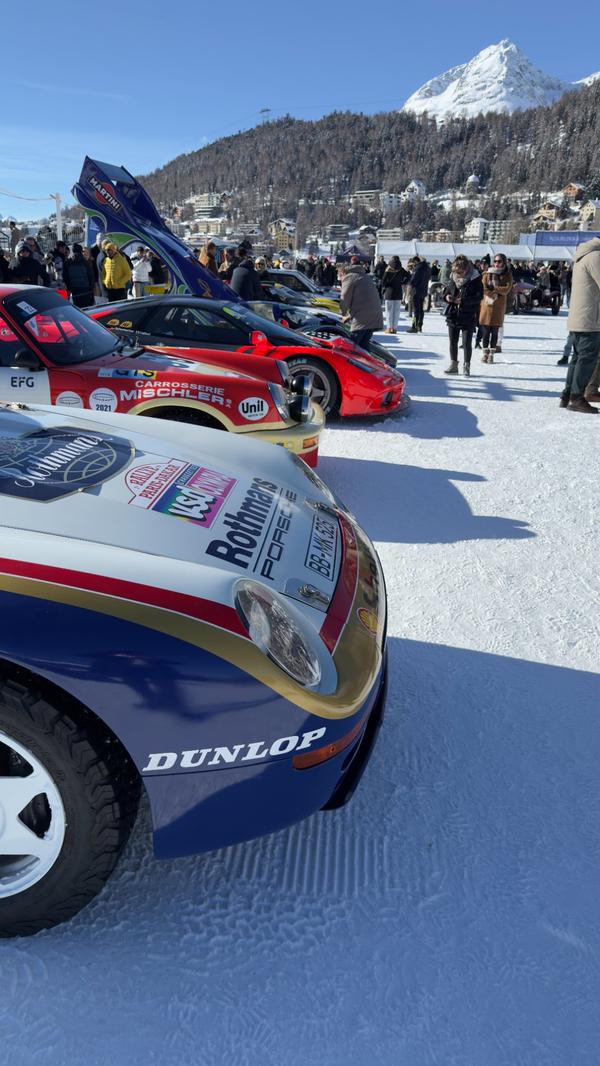
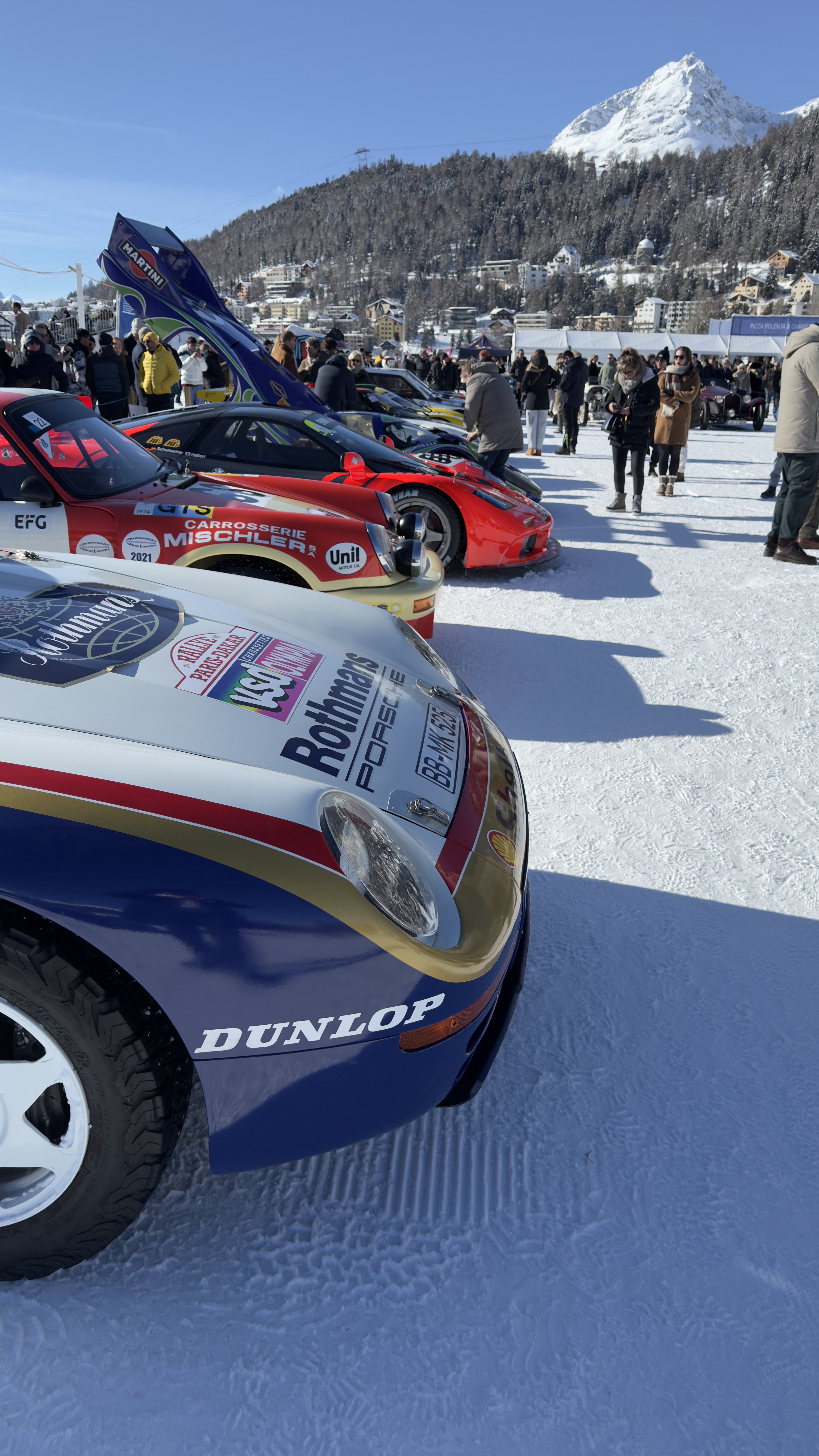
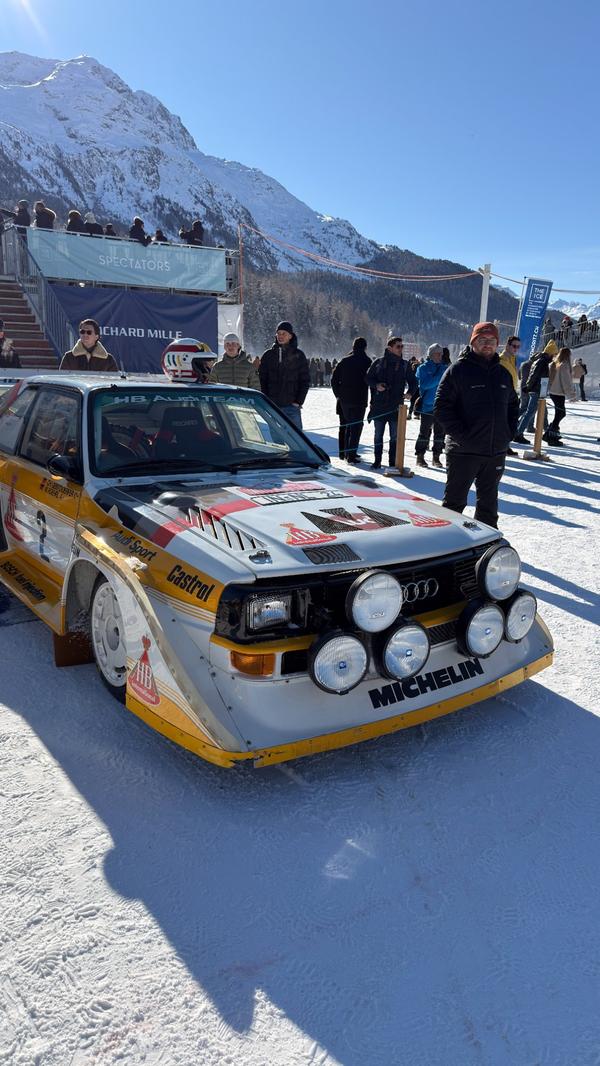
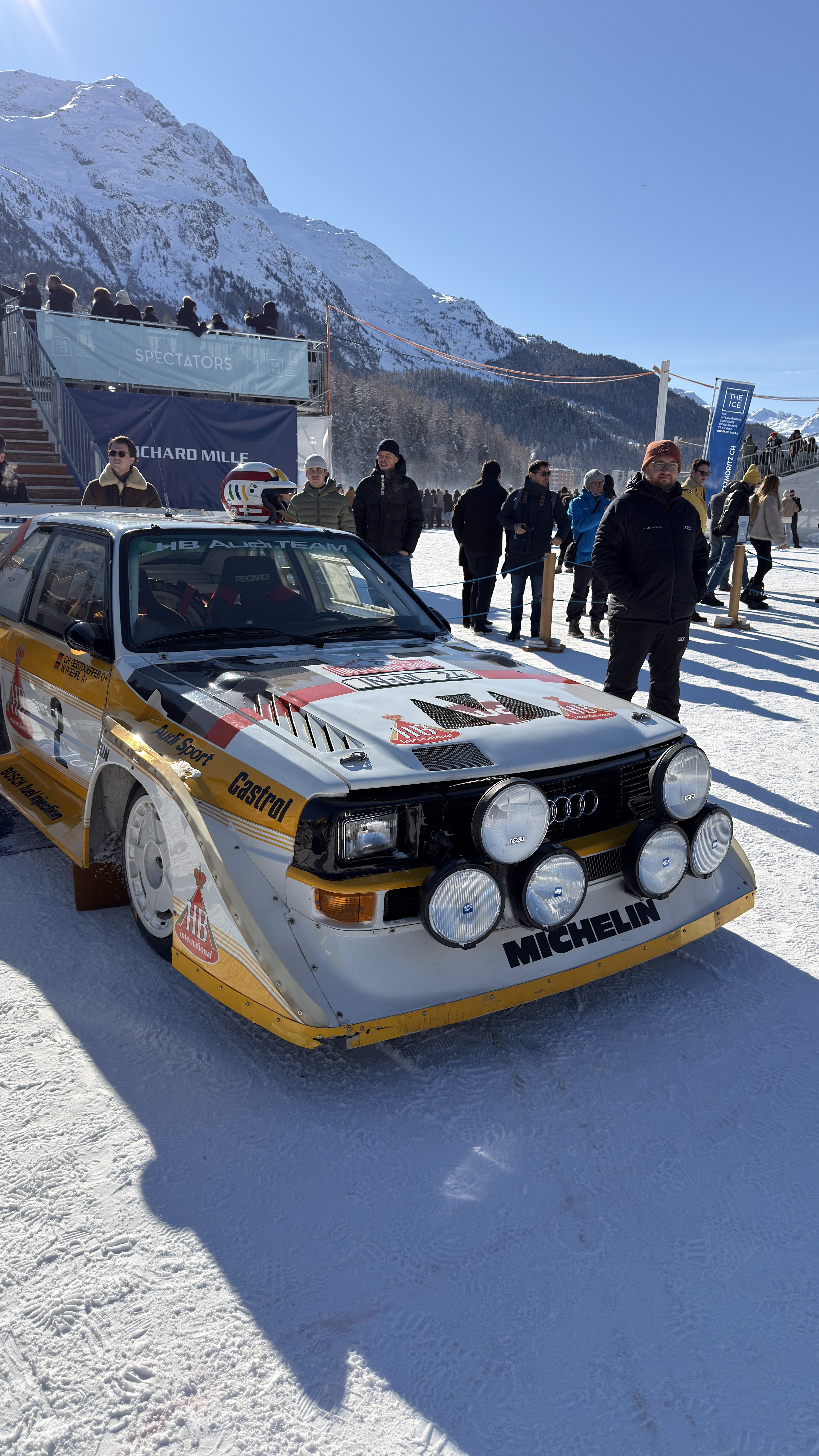
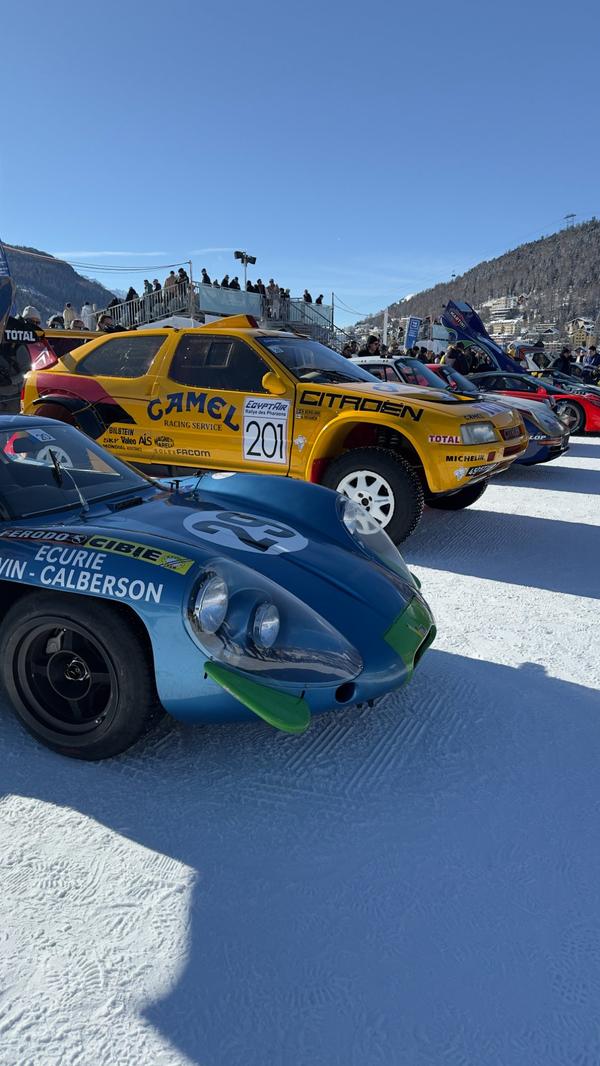
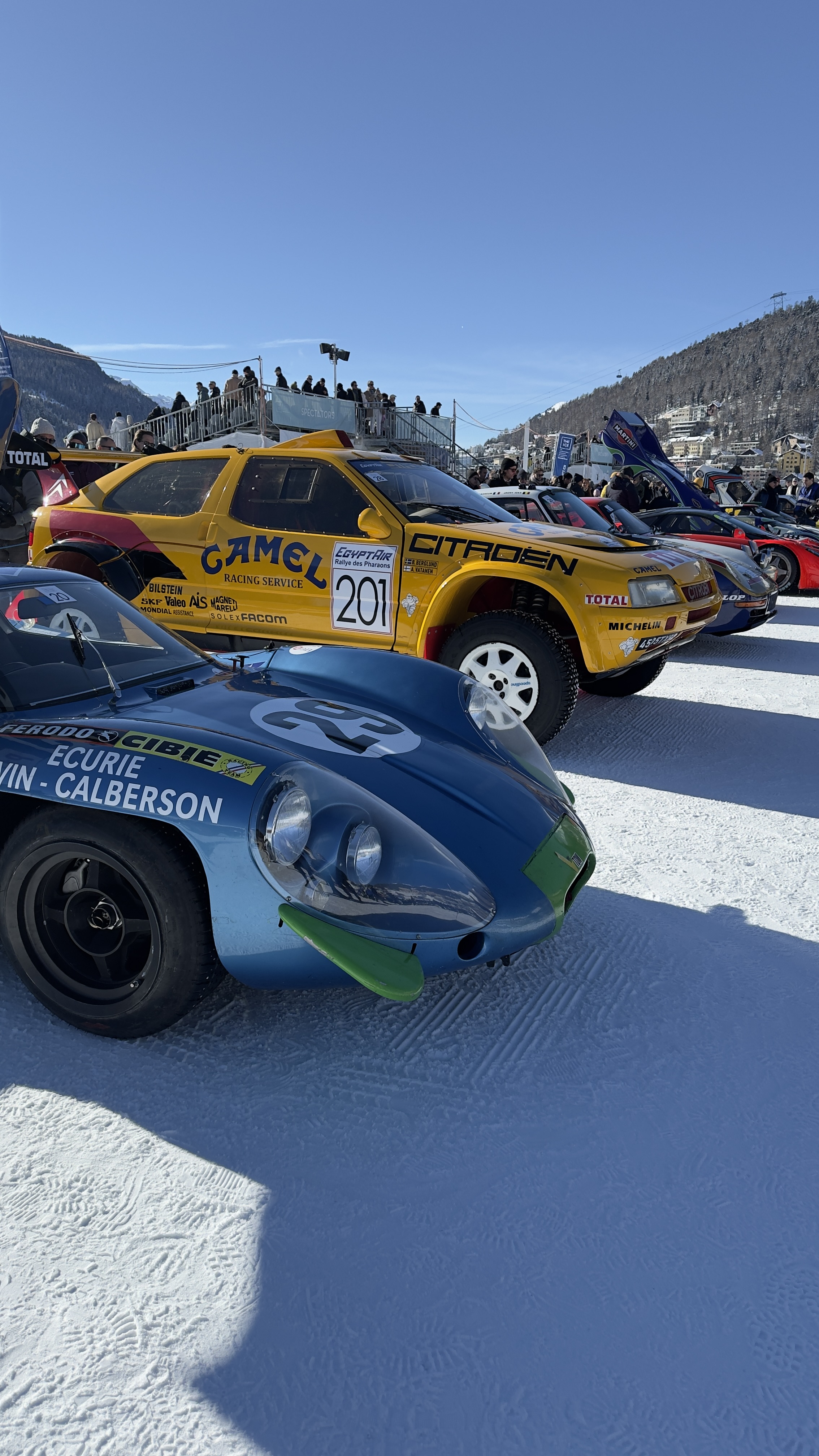
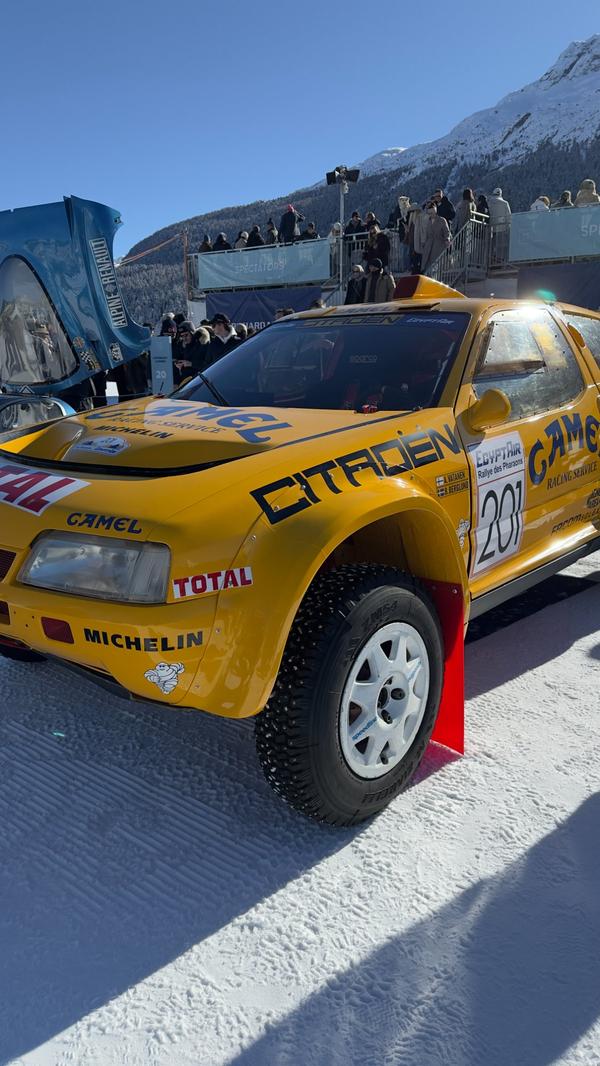
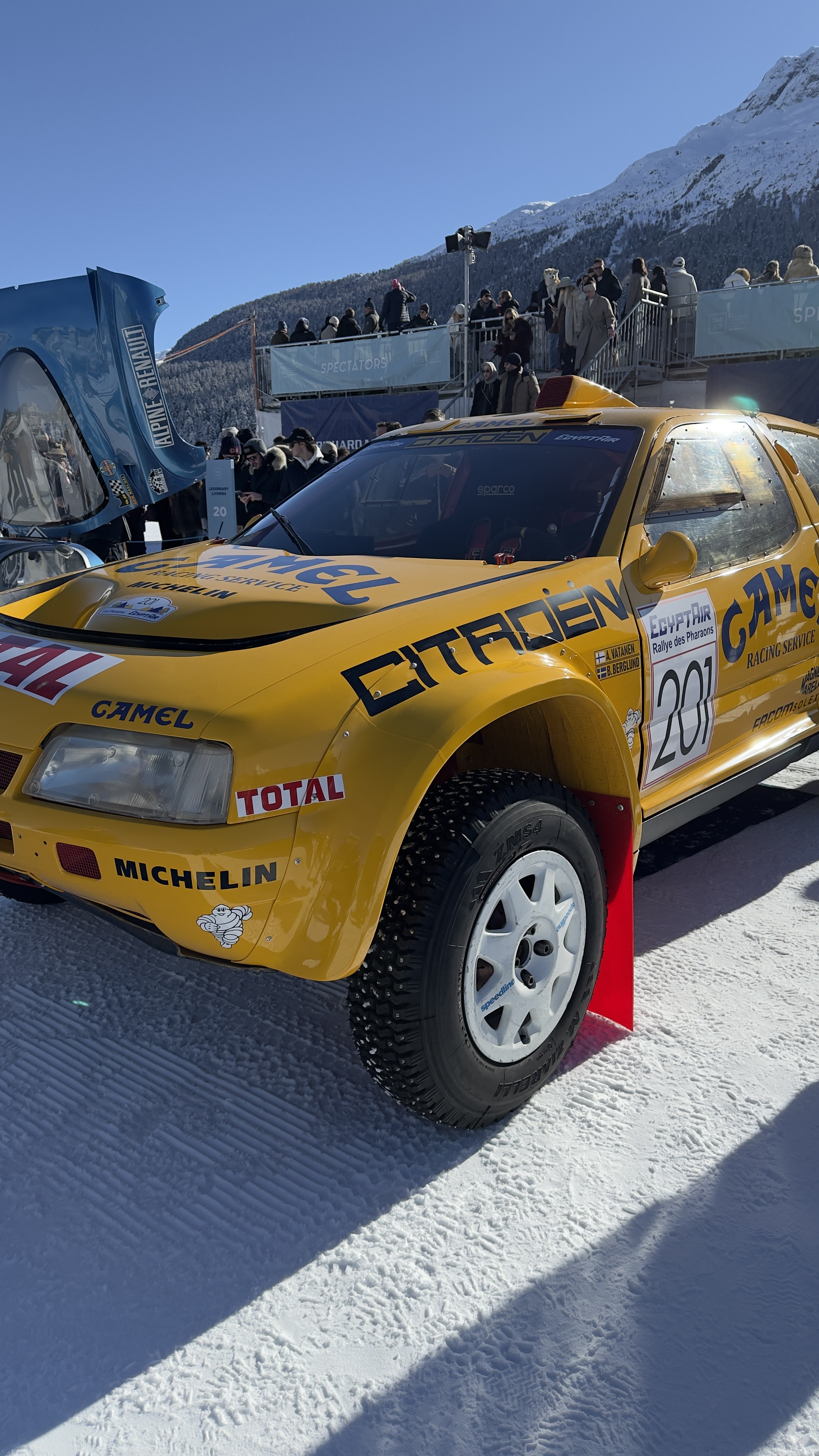
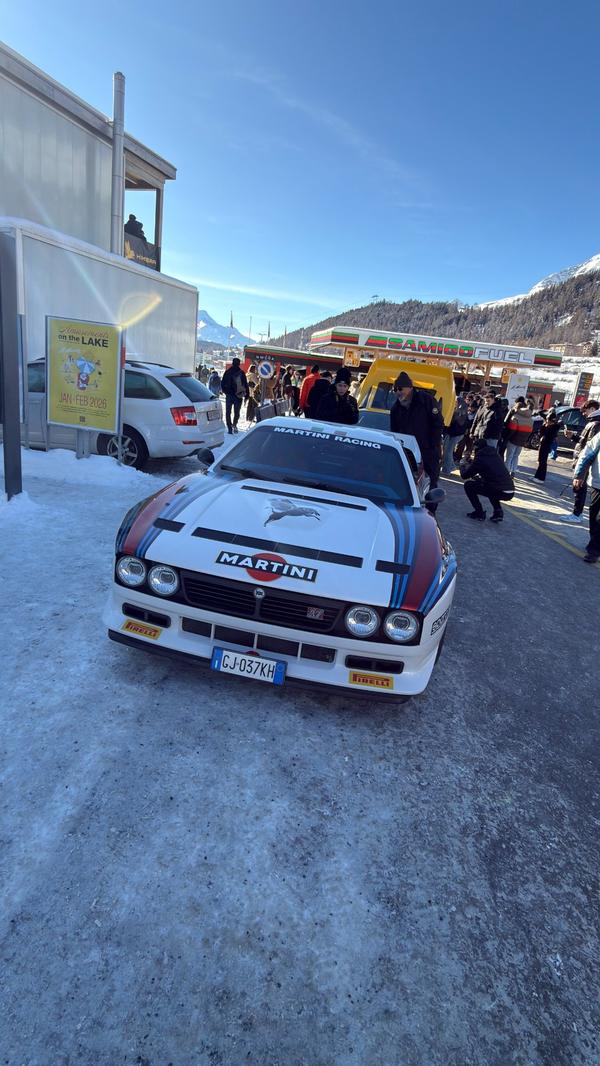
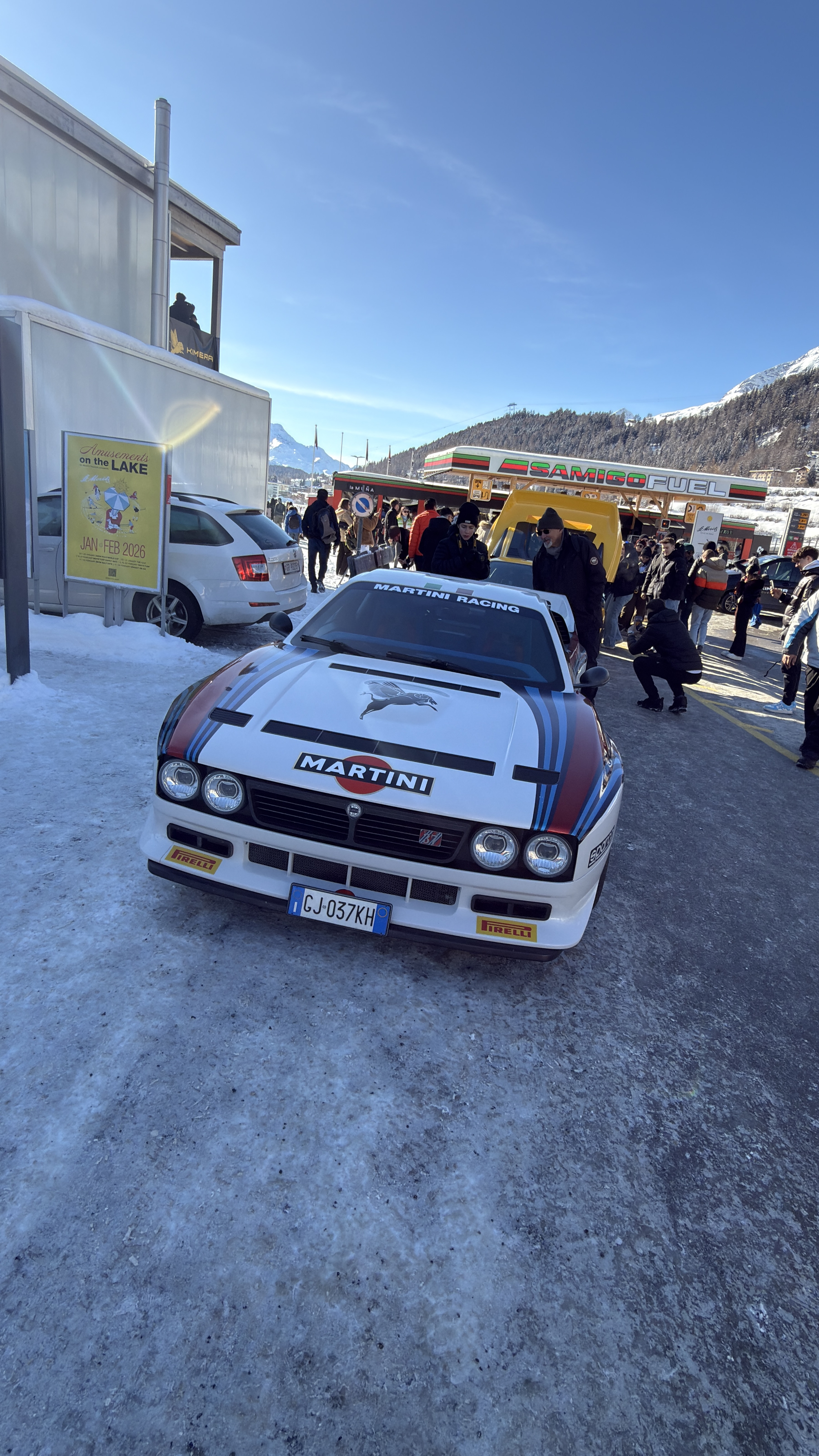
The rally section is always its own world within the world. This year it was anchored by the Audi Sport Quattro S1 E2 in HB cigarettes yellow, the Citroën ZX Rallye Raid in Camel yellow with the oversized arches, the Rothmans Porsche 959 Dakar, and the Lancia Delta S4 in full Martini livery. Not replicas. The cars. Their liveries are faded in the right places. The Delta S4 is the car that ended Group B after Henri Toivonen's death at Tour de Corse. Standing next to it on a frozen lake in Switzerland, you understand why they stopped.
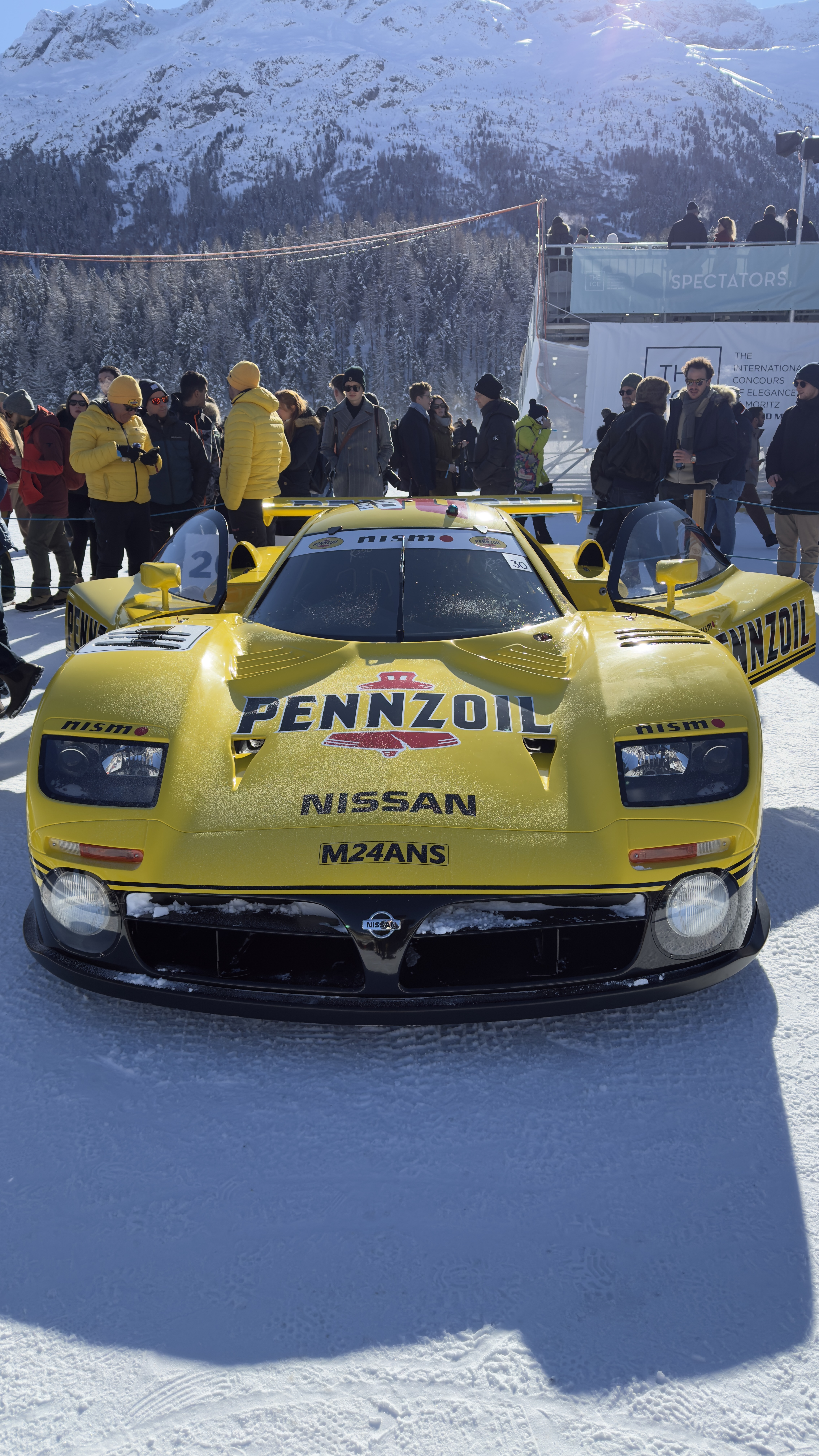
Tom Kristensen drove the Quattro S1 E2 on Saturday. Nine Le Mans victories, including six consecutive. He drove it the way you'd expect — which is to say, properly. Érik Comas was in the R390 GT1, the Pennzoil car that Nissan built specifically to beat McLaren at Le Mans in 1998. They finished fifth. Comas drove it across the ice like the gap between then and now is not as wide as it looks. Christian Geistdörfer — Walter Röhrl's co-driver across five world championship seasons — was in the Porsche 910. These are not names that appear at many events outside of historic racing. At The ICE they are just people who happen to be there.
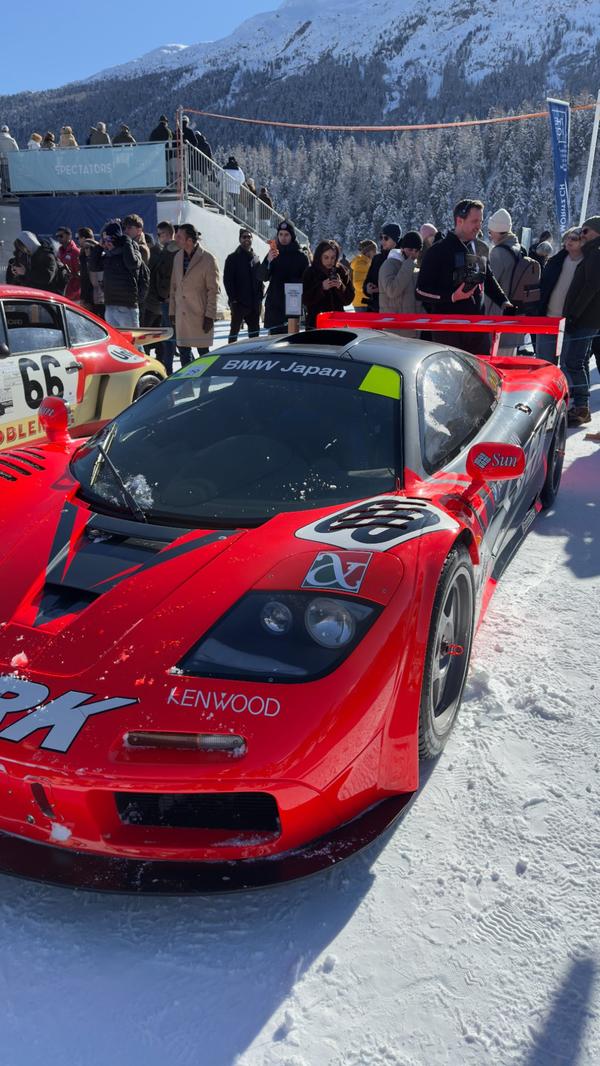
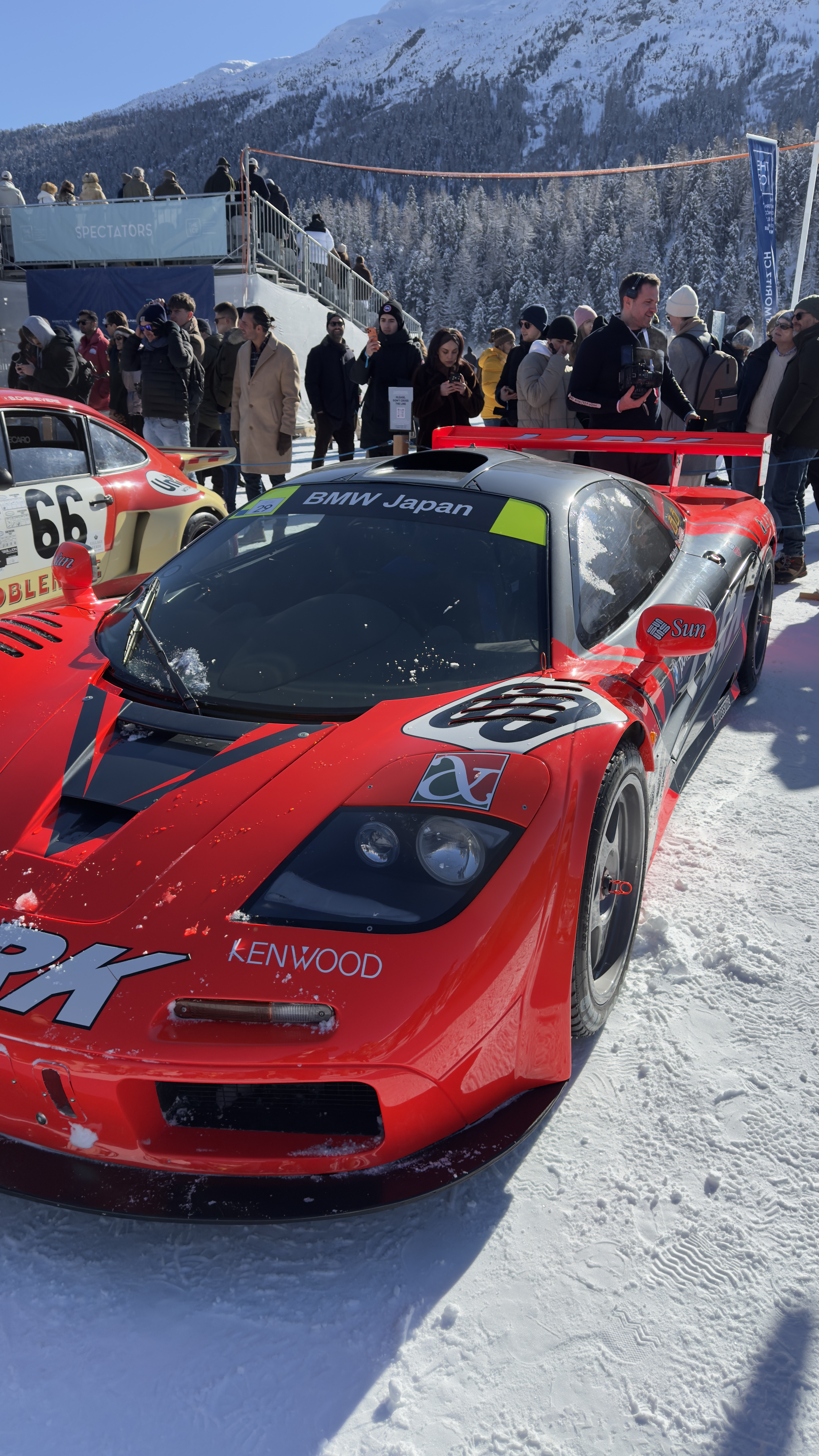
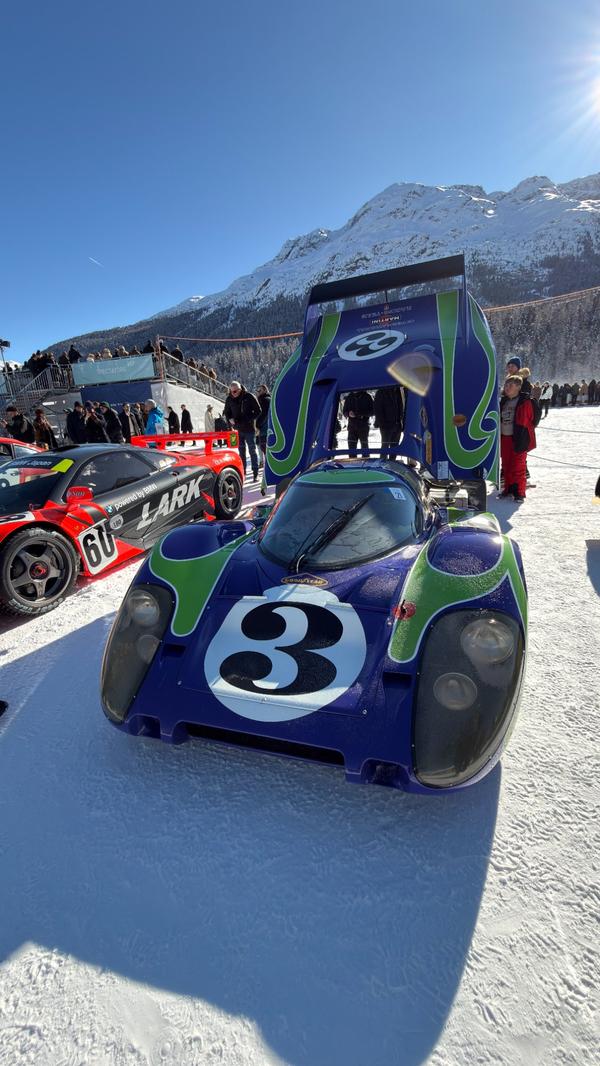
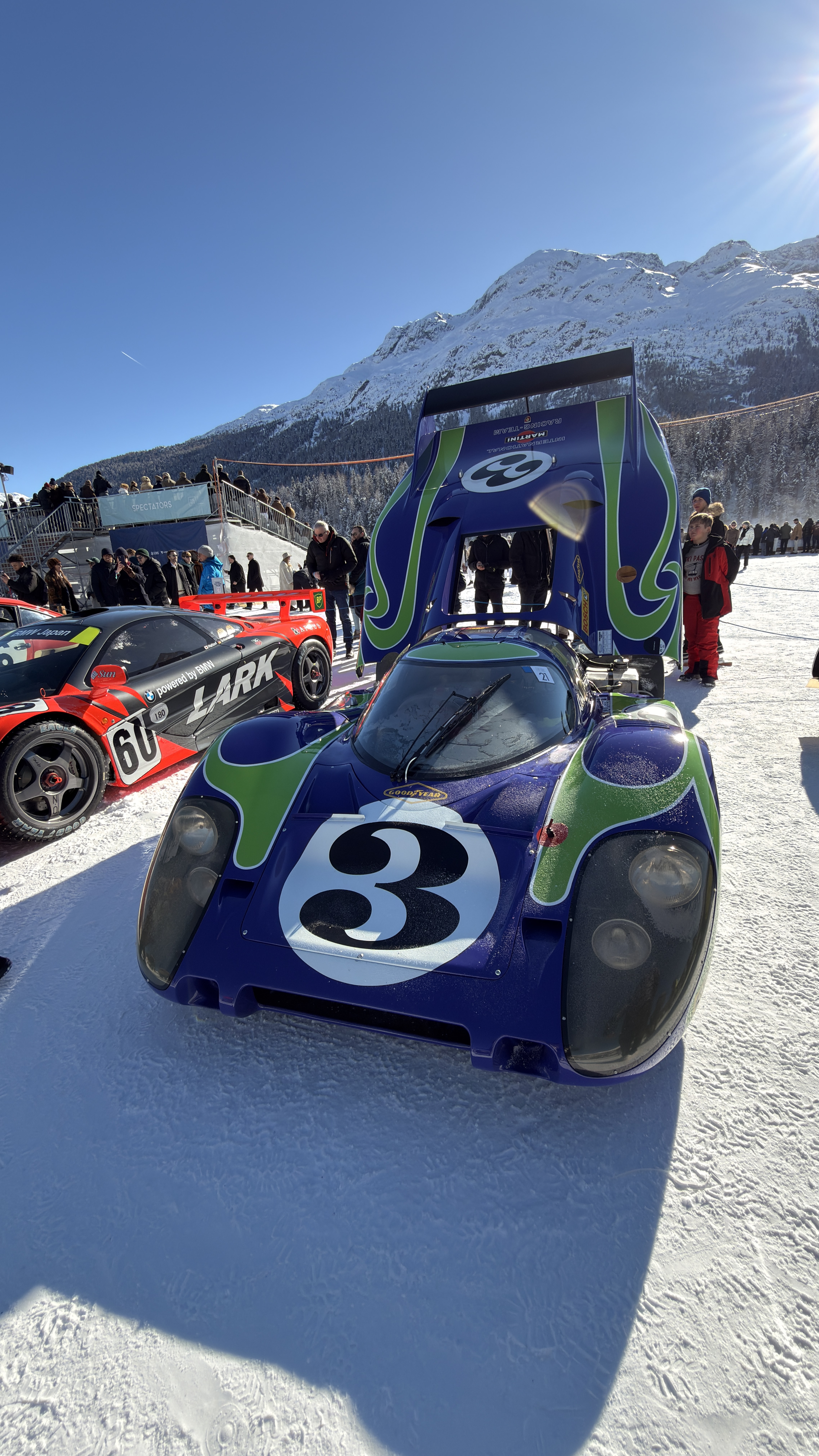
The racing car section was its own argument. The McLaren F1 GTR in LARK red with BMW Japan in the windscreen — Le Mans 1995, one of five F1 GTRs in the top five at the 24 Hours that year. The Porsche 917 in the blue and green psychedelic livery, number 3. And the R390 up close, nose dusted with frost, every sponsor decal intact, chassis M24ANS. The two rivals — McLaren and Nissan — twenty metres apart on Swiss ice, twenty-eight years after Le Mans.
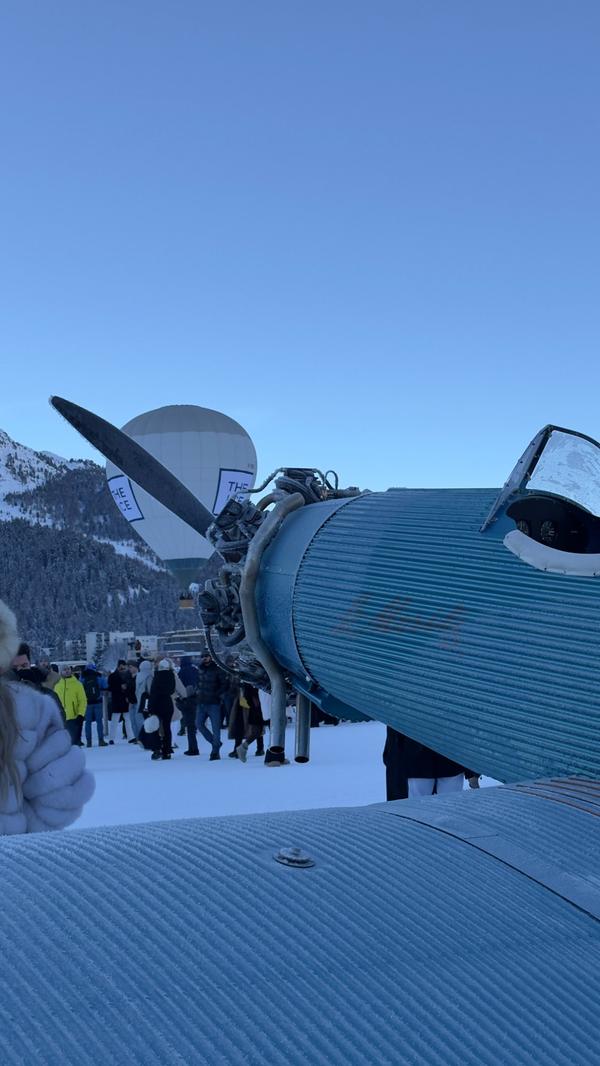
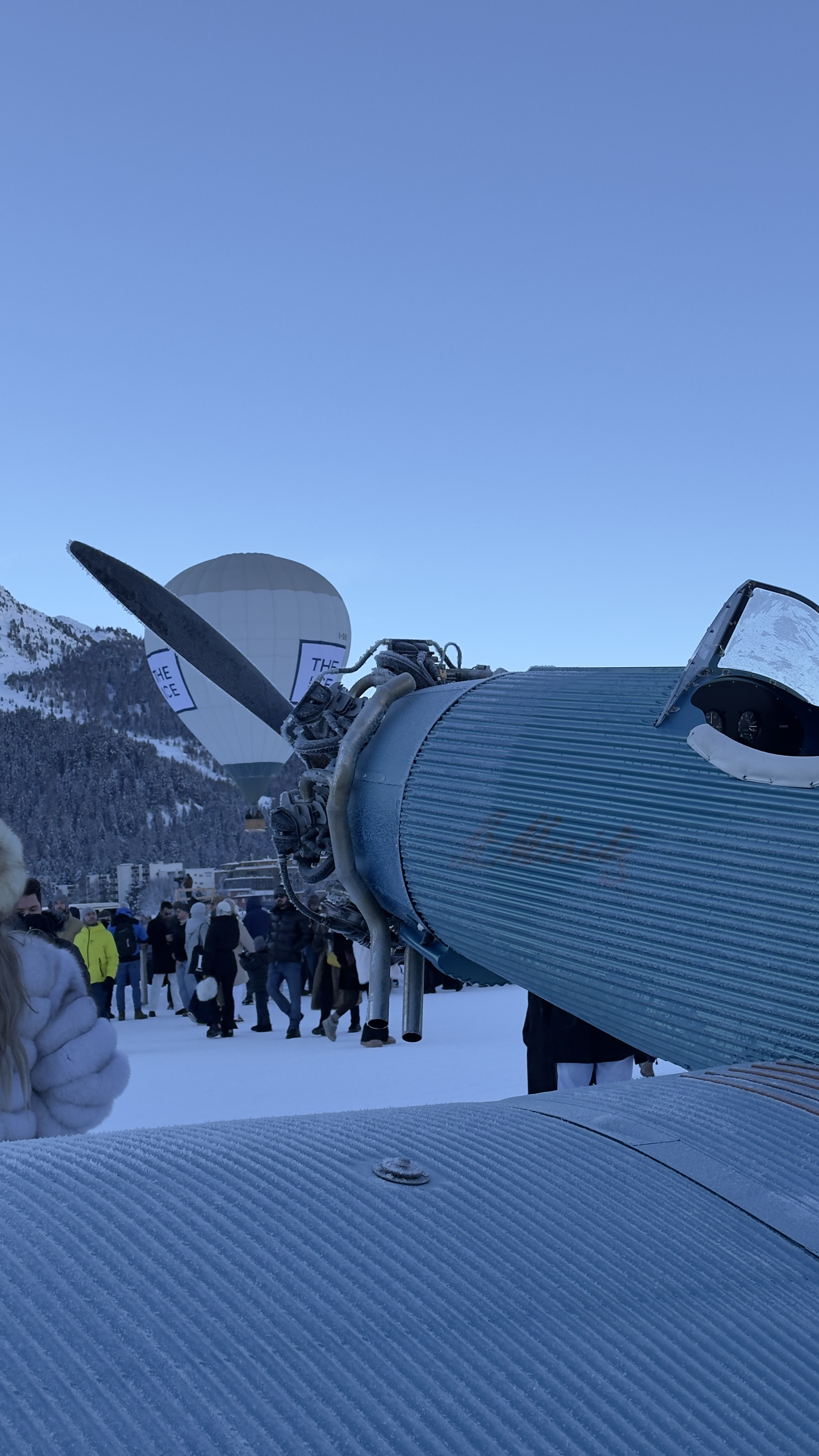
Fritz Burkard brought more cars to this edition than any other single collector. The pre-war Bugattis — the Type 13 and Type 35 Grand Prix — and three Bugatti Bolides. The Bolide is a track-only 1,500hp hypercar. Forty were made in total. Three of them parked together on a frozen alpine lake with THE ICE's hot air balloon drifting overhead in the early morning is an image you have to see to believe. Burkard also brought the Talbot-Lago. But that comes later.
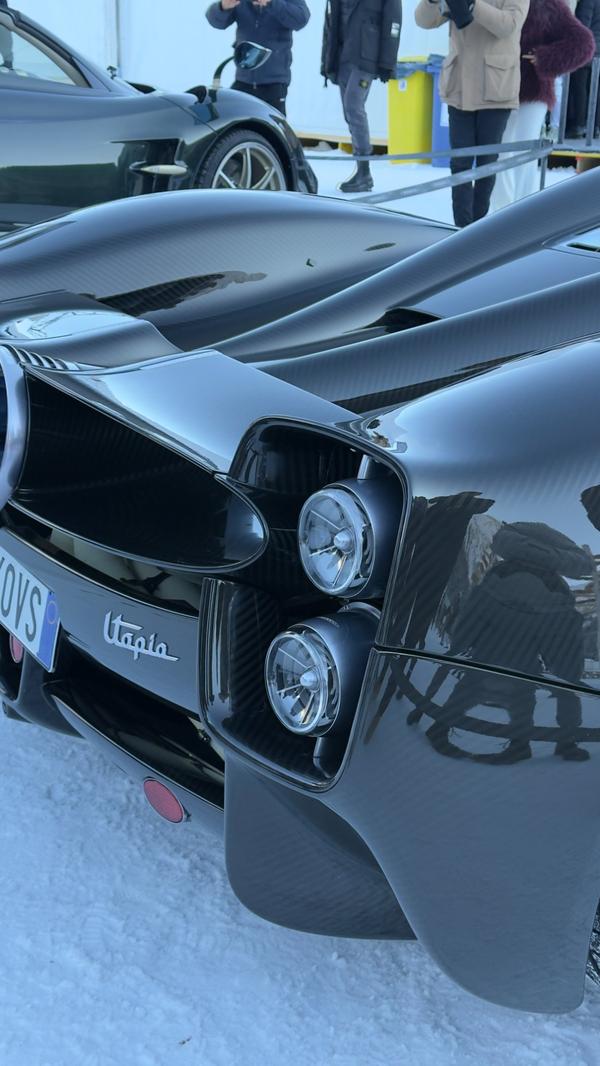
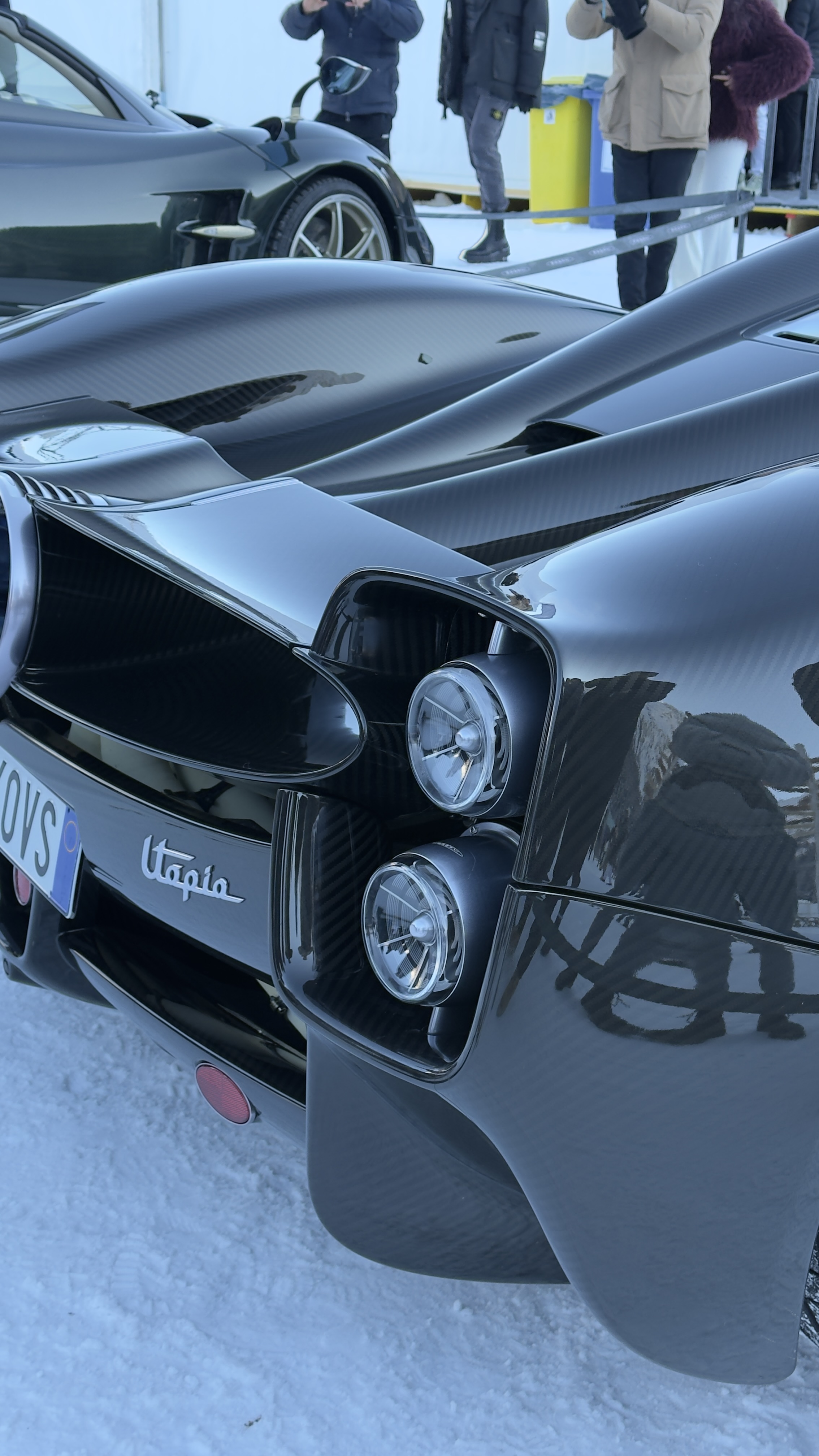
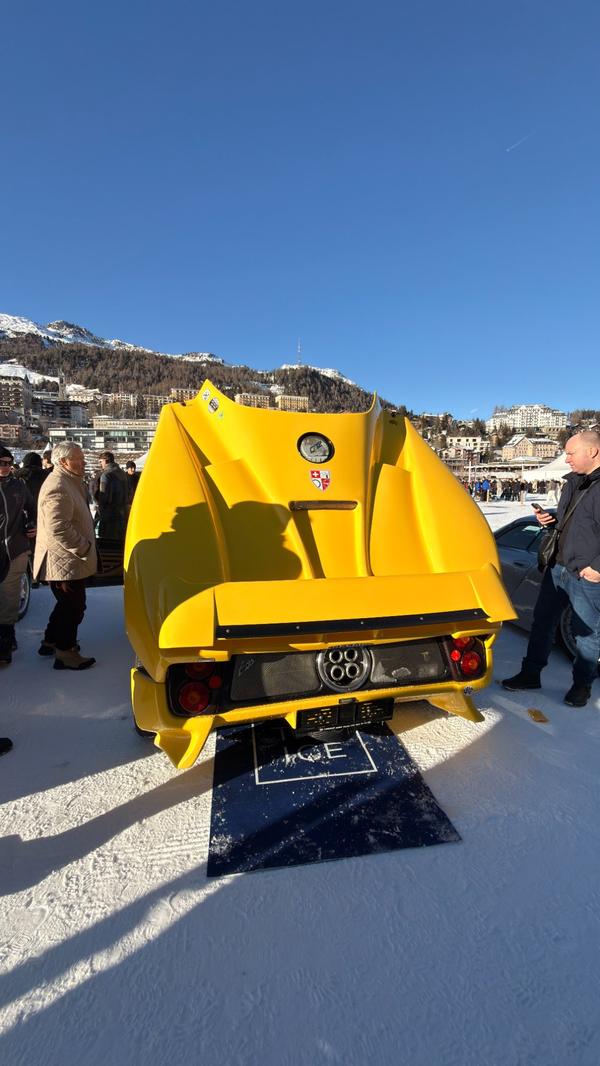
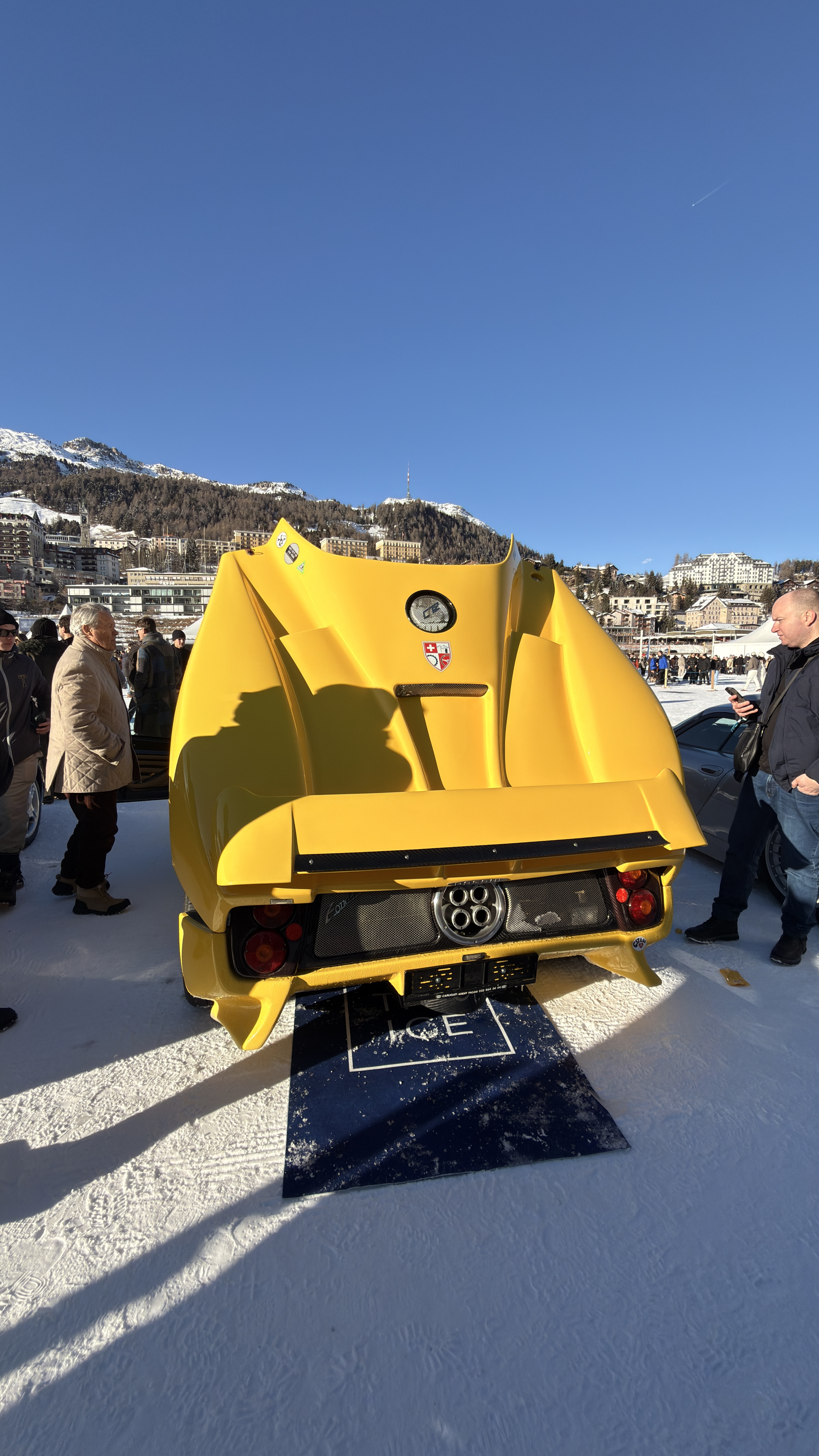
The Pagani presence was four cars deep — a Zonda C12, a Utopia, a Huayra BC Roadster, a Huayra Coupé. The Zonda at the event was the third car Pagani ever built. The first two he kept. This one was in the concours field in yellow, rear end toward the crowd, six exhaust pipes, the Badrutt's Palace Hotel behind it across the ice. The Utopia, in black carbon, had its script badge catching the flat winter light. You could get close enough to see your own breath reflected in the bodywork.
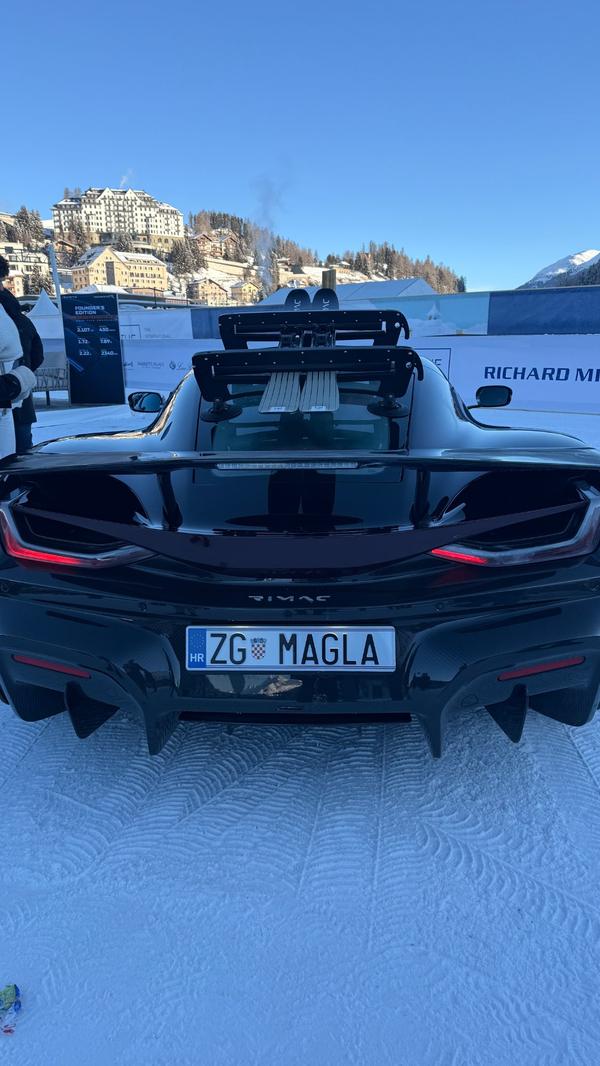
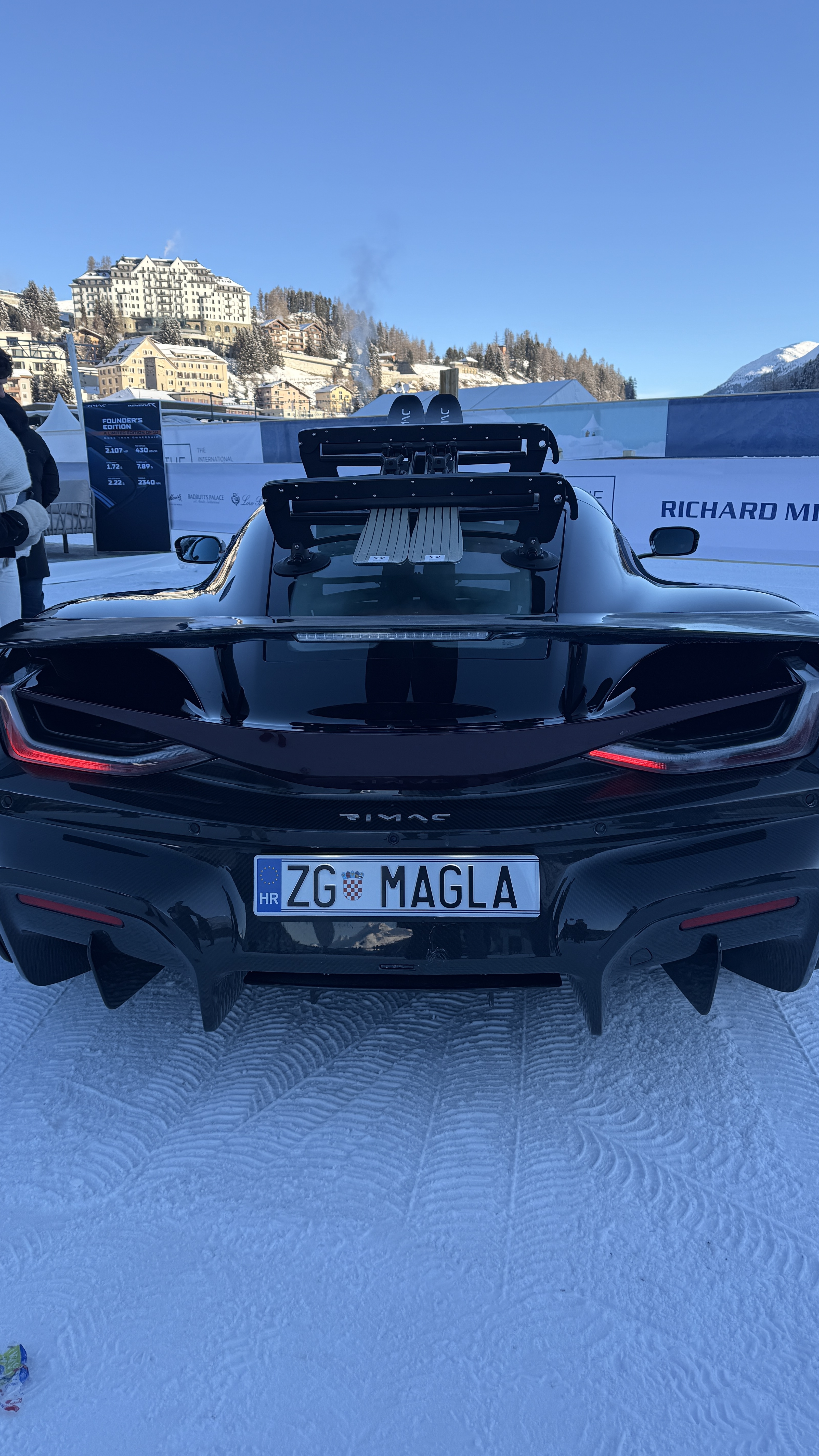
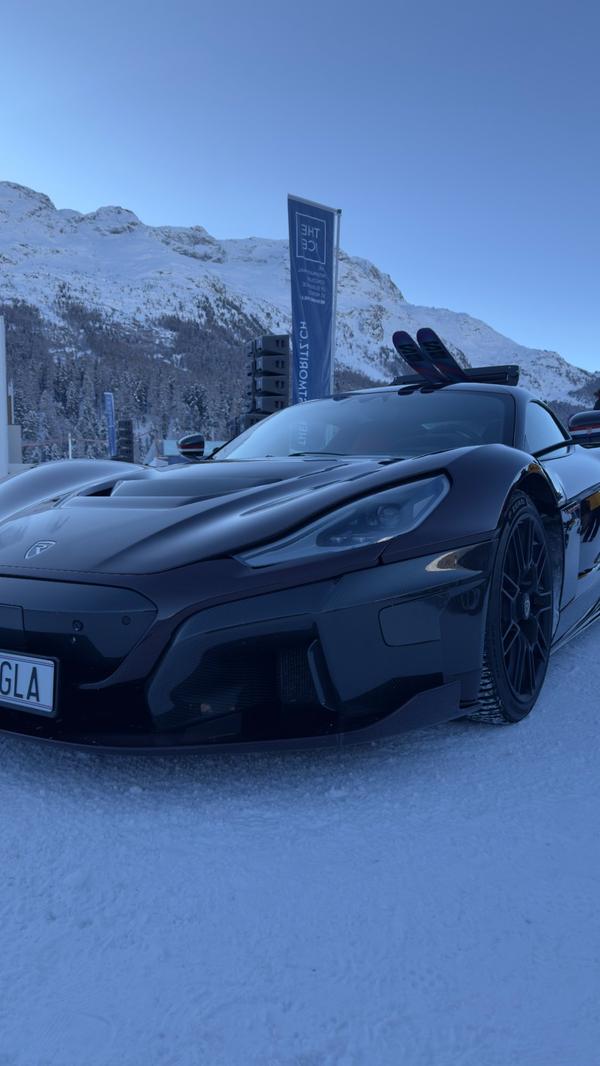
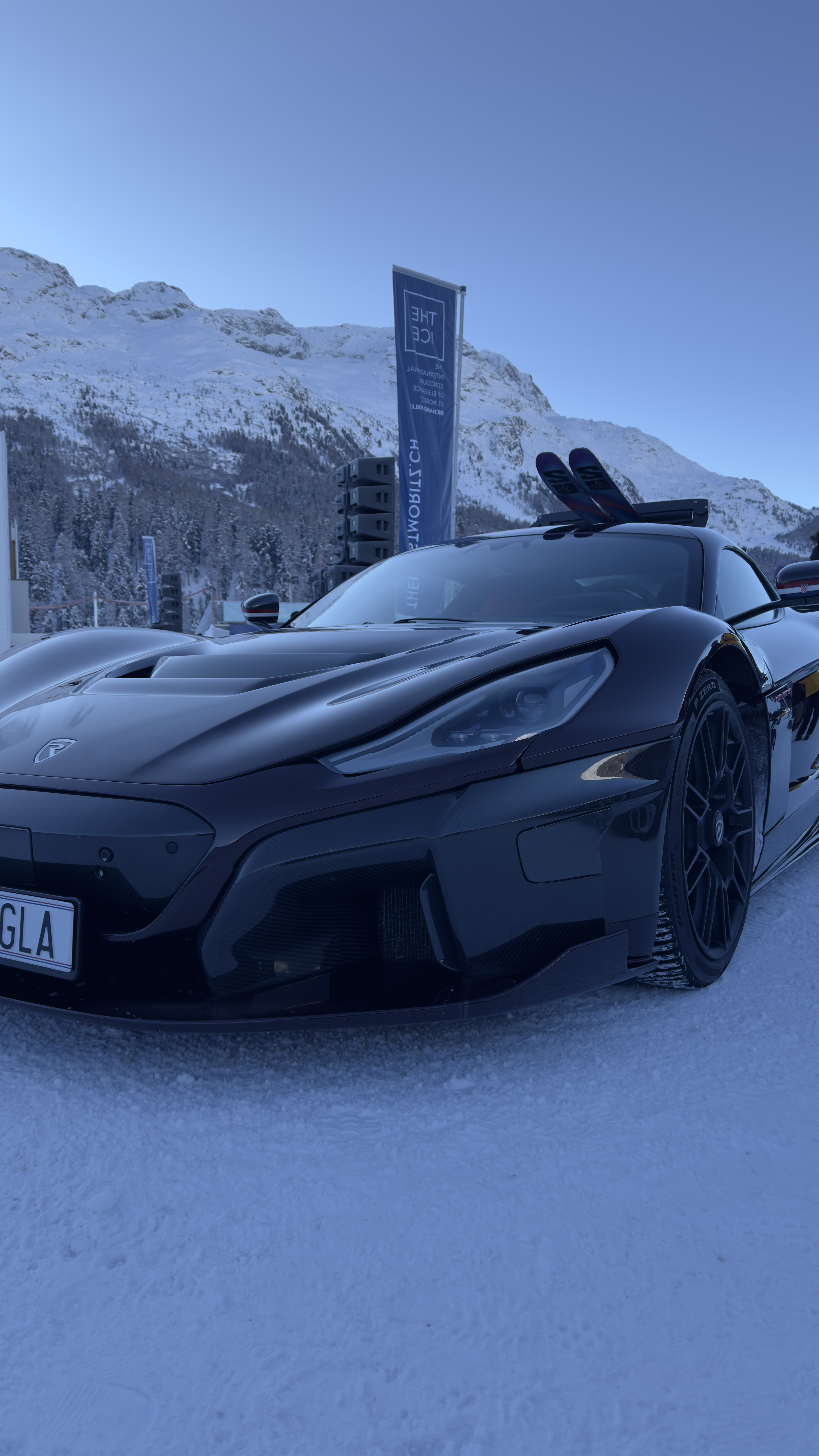
The Rimac Nevera R in the paddock was a different kind of statement. Croatian plate, ZG MAGLA — fog — on what is effectively the most powerful production car ever made at 2,107 horsepower. It was having its global public debut at The ICE. Mate Rimac was on the ice. The car left under its own power, silently, which after a day of flat-six engines bouncing off granite walls felt like a joke someone was making.